
Klog
Not everyone 'wears shoes'

“IT’S A CRISIS!”
I can hear the Bob’s Burgers character Louise Belcher shout that when I think of the YouTube literacy crisis genre.
I can’t find a clip of that line of Louise’s, but here’s another “crisis” clip from the same episode.
I think those videos are popular because they reinforce their viewers’ belief that they are smahhhht unlike the illiterate dolts who outnumber their precious selves. I recall one such video by a guy who bragged about how he was going to write fiction with rilly sophisticated vocabulary. LOOK AT MEEEE AND MUH THESAURUS!! Another was by a Defender of Western Civilization™ who found a way to monetize his humanities PhD by going on social media and going on about the Great Books nobody but he and the Literate People read anymore - sob.
I’m so sick of how reading has been turned into a status symbol. And by “reading” I mean reading The Right Things, not just reading any old books or, God forbid, comic books. OMG EVERYONE I KNOW READS TRASHY FICTION!!
The canon has become a weapon to aim at one’s ‘lessers’.
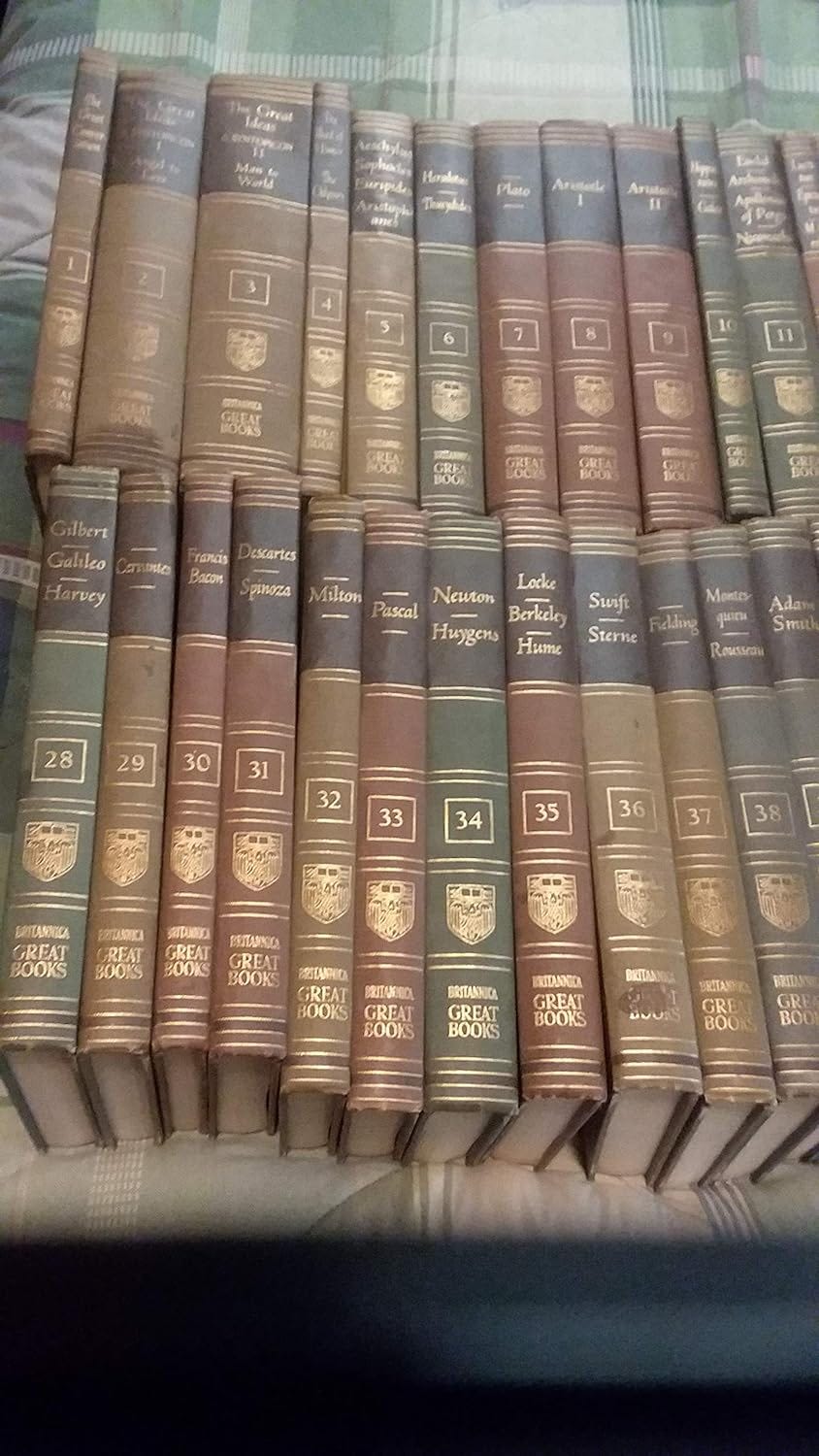
To me all that behavior looks like Goodwhite classicist classist nonsense. Here in Hawaii where English is often a second language, I suspect hardly anyone reads anything. My local library has lots of manga, DVDs, and puzzles … and not a lot of patrons. Or hours open. There are people here whose languages have basically nothing written in them but the Bible, possibly the only book they care about.
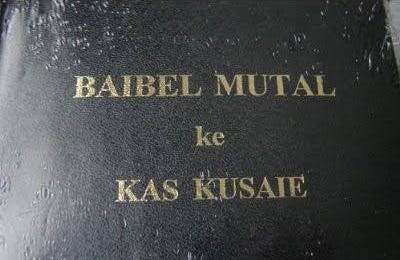
What are we ‘supposed’ to do to those people? Force them to read Shakespeare? Sophocles? Gotta check those boxes! In English, of course.
What is like to be a speaker of a language pretty much nobody writes in? To read little or even nothing in your first language and not read a whole lot in English, your second language? If learning to read reshapes the mind, does the amount of reading one does after that also reshape the mind?
Forty percent of Americans admit they read no books in 2025. I suspect the real number is higher, judging from people I’ve known. I don’t look down on them. Just as I’m okay with being mono, I’m okay with not reading. I don’t demand others be like me or brand everyone unlike me as an Untermensch.
Mass reading is historically extremely anomalous. Reading itself is anomalous; nobody read for most of our species’ existence. And even after writing was invented, most still did not read. Joseph Henrich wrote about the recent origin of mass literacy in the West:
After bubbling up periodically in prior centuries, the belief that every person should read and interpret the Bible for themselves began to rapidly diffuse across Europe with the eruption of the Protestant Reformation, marked in 1517 by Martin Luther’s delivery of his famous ninety-five theses. Protestants came to believe that both boys and girls had to study the Bible for themselves to better know their God. In the wake of the spread of Protestantism, the literacy rates in the newly reforming populations in Britain, Sweden, and the Netherlands surged past more cosmopolitan places like Italy and France. Motivated by eternal salvation, parents and leaders made sure the children learned to read.
[…]
The Protestant emphasis on Biblical literacy reshaped Catholic practices and inadvertently laid the foundation for modern schooling.
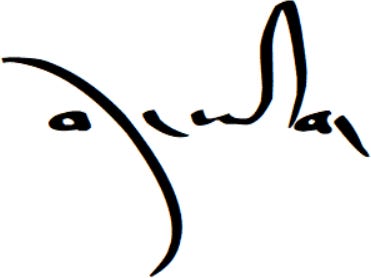
In the East, 90% of Tibetans were unable to klog ‘read’ as recently as 1990 even after decades of modernizing efforts by the Chinese government.

It doesn’t help that Tibetan spelling is a nightmare: e.g., klog is actually pronounced [lo] in Lhasa because the k and g are silent there. (Nonetheless, I can’t help but associate the word with clogs.) The PRC claimed in 2015 that illiteracy in Tibet had dropped to 0.5%, but who knows how real that number is. Regardless of the actual figure - which of course depends on how one defines ‘literacy’1 - I have no doubt illiteracy has gone way down in Tibet since 1990.
The Tibetans seems to have gotten their word for ‘to read’ from Old Chinese 讀 lok ‘to read’.2 It wasn’t even possible to read in Tibetan until the Tibetan script was created in the seventh century AD.3
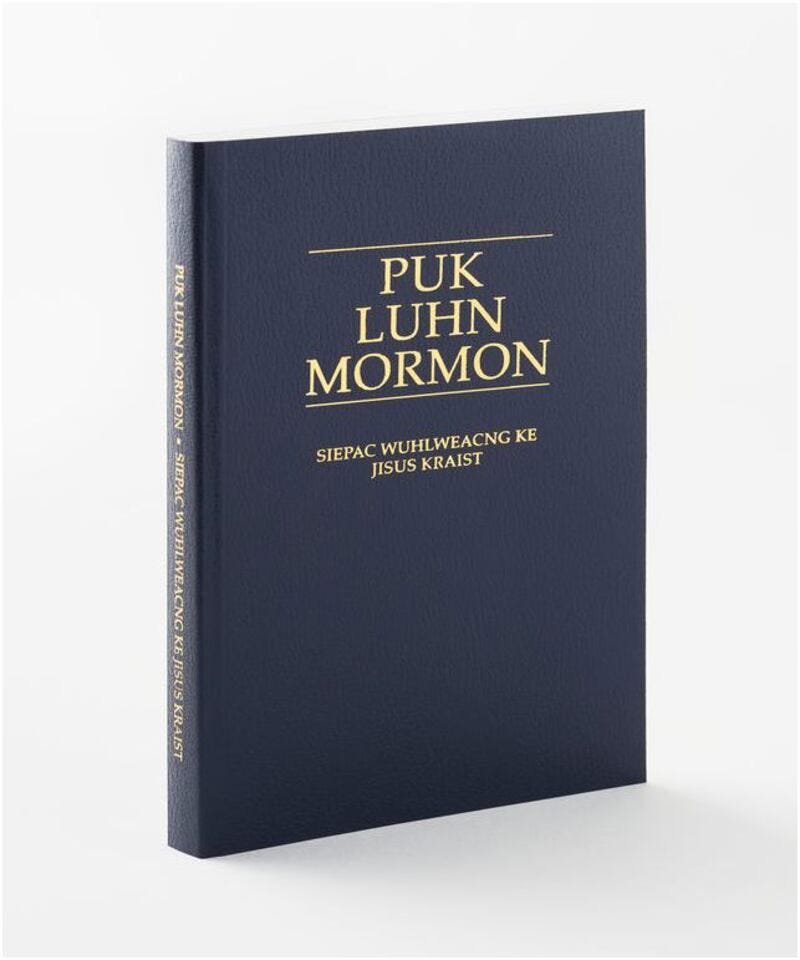
And the few Tibetans had almost nothing to read but Buddhism, Buddhism, Buddhism. Kind of like lots of small peoples and the Bible (and if they’re ‘lucky’, the Book of Mormon as well).
I admit I let my Tibetan skills rot because I don’t want to read about Buddhism … even though I am now reading excerpts from the Milindapañhā (Questions4 of Menander, the most famous of India’s Greek kings) now … but in Pali, not Tibetan. The real draw for me is the form (Pali), not the content. At the moment I’m frustrated by the thinking in this passage (my translation):
Thero5 āha: “Yo kho mahārāja ajānanto pāpakammaṁ karoti tassa bahutaraṁ apuññan” ti.6
The elder said, “O great king, he who indeed does a bad deed unknowingly has more demerit.”
Really!?
“Tena hi, bhante Nāgasena, yo amhākaṁ rājaputto vā rājamahāmatto vā ajānanto pāpakammaṁ karoti taṁ mayaṁ diguṇaṁ daṇḍemā” ti.
[The king said,] “Therefore indeed, sir Nāgasena, we doubly punish our prince or royal chief minister who does a bad deed unknowingly.”
(I roll my eyes.)
I don’t have more context for that exchange, but I can’t imagine how more context would make it make more sense to me.
All of the above was just supposed to a prologue to a post about what I’ve been klog-ging, but I’ll have to get to that in another post!
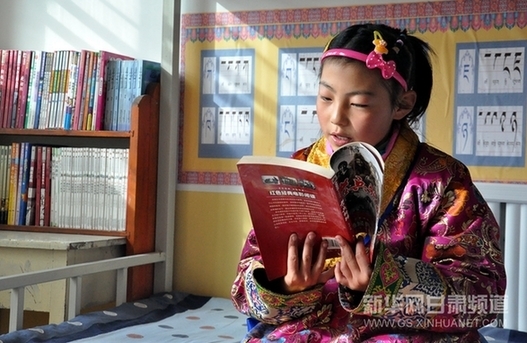
It’s possible that the PRC has defined ‘literacy’ in a way to make their educational system look like a success. For instance, ‘literacy’ might include Mandarin literacy as well as Tibetan literacy. The photo for the hype is of a Tibetan girl reading in Mandarin, though there are guides to writing Tibetan characters on the wall behind her.
The k- of Tibetan klog ‘to read’ is a Tibetan present tense prefix added to the Old Chinese root. The final consonant of Old Chinese lok was changed to -g because Tibetan did not have final -k at the time the word was first spelled in the Tibetan script. (It’s possible that the word was borrowed before final -k shifted to -g in Tibetan.)
By the seventh century AD, the Chinese word for ‘to read’ was dok with d- rather than l-; the change of l- to d- had already occurred centuries ago. That seems to indicate that prior to the invention of the Tibetan script, Tibetans were aware of the concept of reading from their Chinese neighbors long before they could read in their own language.
Pali pañhā ‘question’ is from Sanskrit praśna-. The pr-ś root is shared with Russian просить prosit’ ‘to ask’ and English pray (i.e., asking the gods).
Pali ti is a word indicating the end of a quotation.
Have you dug around in the feral children rabbit hole? The effort to find god's language? Speaking itself rewires the brain and if that does not occur at the right time the option is forever lost. Seems in your wheelhouse.