
Electroid Zaborger Go!
A fiftieth anniversary for one of my favorite cyborgs

I should have made the point of my last post more clear. A childhood obsession with cyborgs built up the foundation for my transhuman phase as an adult.
Build Up

Last December, Michael Ginsburg gave me the idea for the two-part transhuman scenario that I posted last week.
There were other factors underlying that phase, of course. For instance, I was unemployed and sought escape in a fantasy of becoming a machine. I tried to sell the singularity to a friend without success. Their background was quite different from mine, but I didn’t take that into consideration at the time.
They didn’t grow up with one of my favorite TV series, Electroid Zaborger (1974).
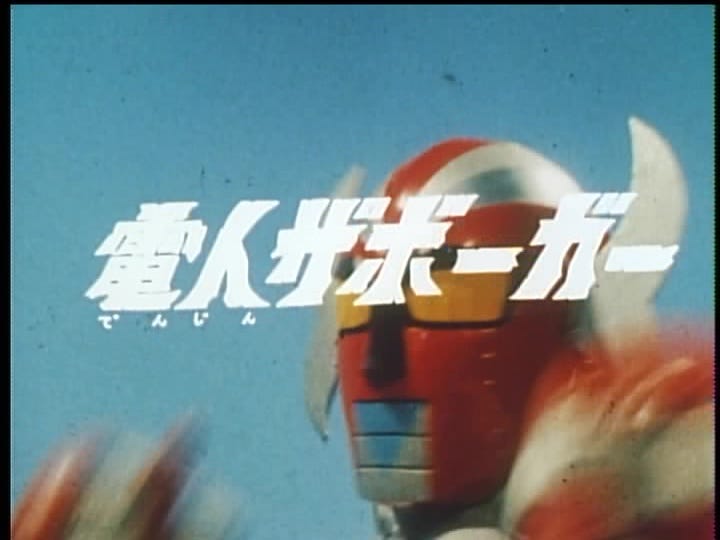
Zaborger came from Japan to Hawaii a year late in 1975. Sadly only the first half aired here. Reruns started fifty years ago today. I kept waiting in vain for new episodes. I wouldn’t see the second half until decades later.
Zaborger starred the late 山口豪久 Yamaguchi Takehisa (1945-1986), one of my favorite actors.
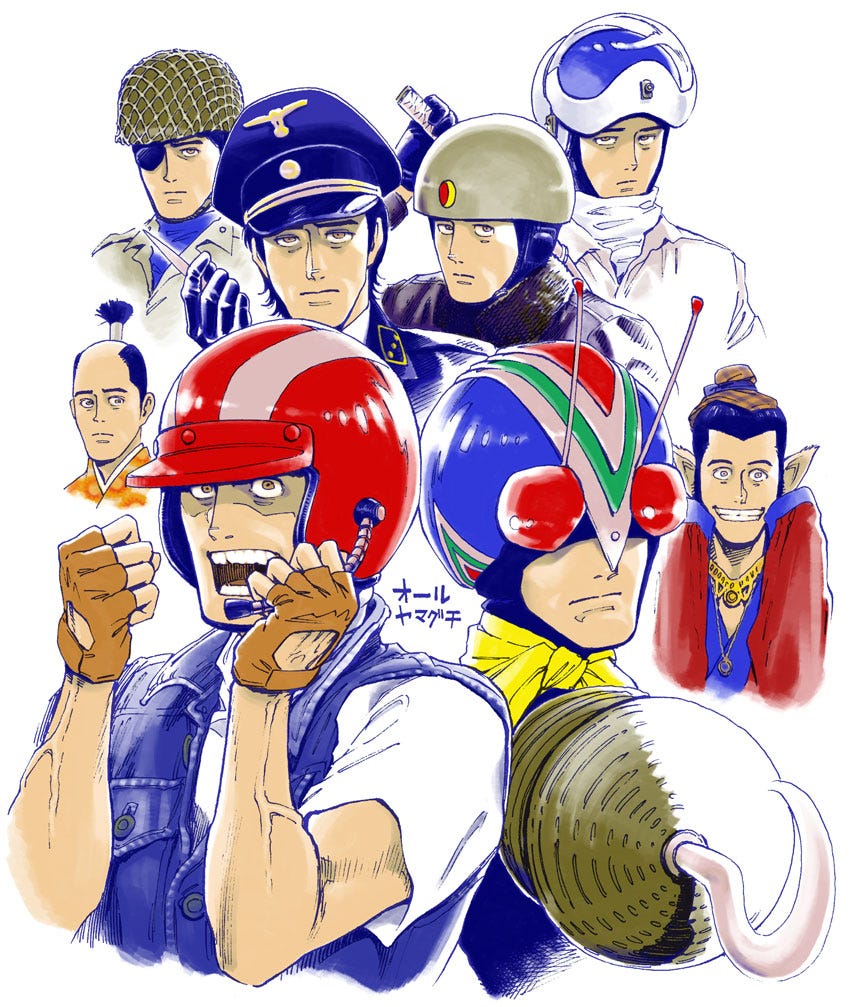
He had just played one of my favorite cyborgs, Riderman, in Masked Rider V3 (1973).
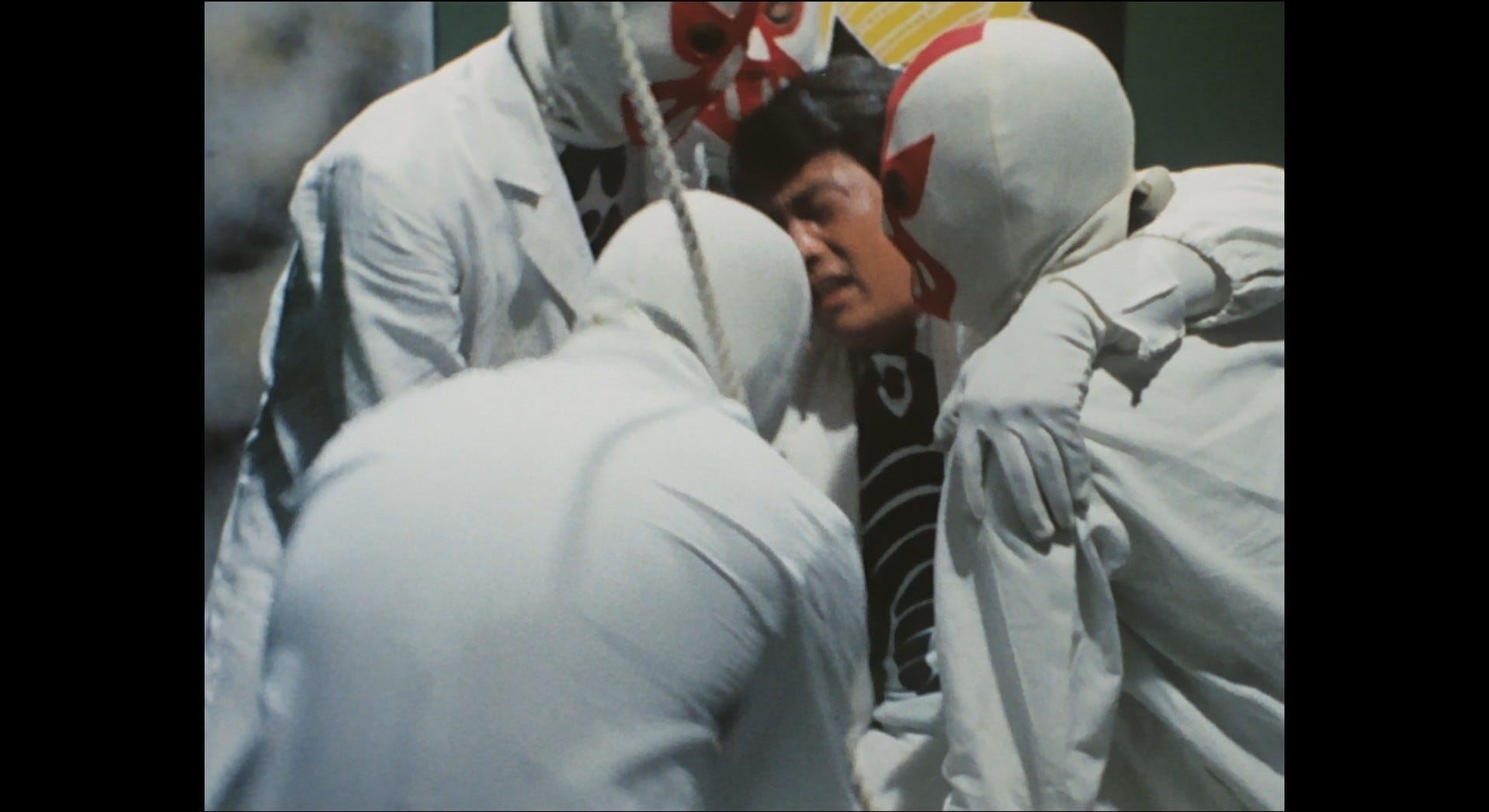
Riderman was once Yūki Jōji (right), a scientist rising up the ranks of the secret organization Destron.
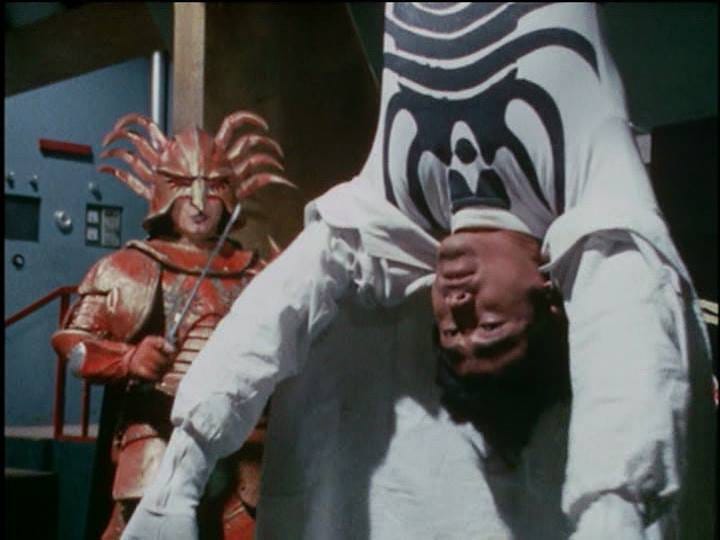
Fearing Yūki would replace him, Yūki’s boss Marshal Armor (left) tried to eliminate him by lowering him into a pool of sulfuric acid.
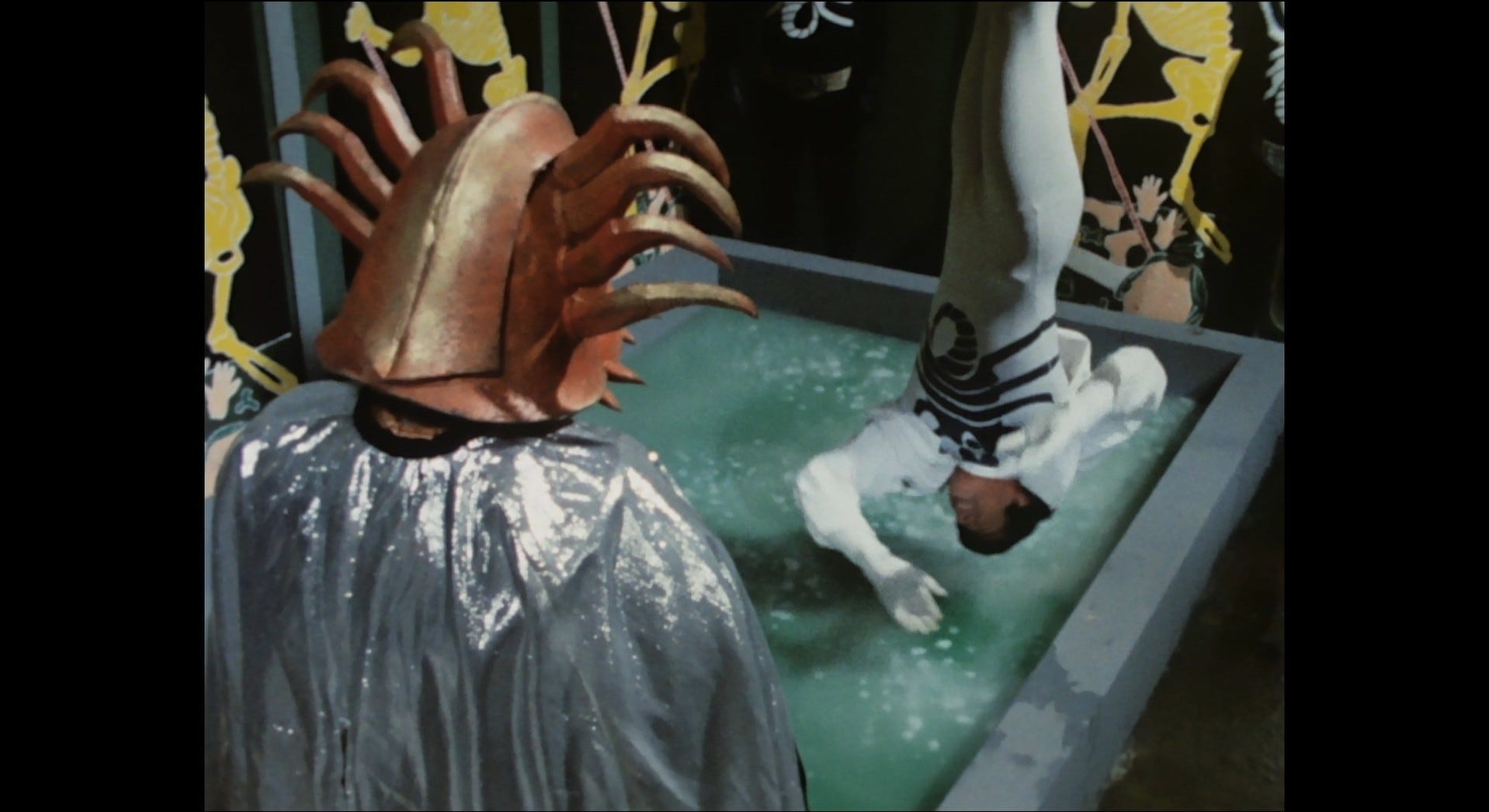
Yūkis’s coworkers saved him after his right arm had been melted off.
They surgically attached an artificial arm to his stump …
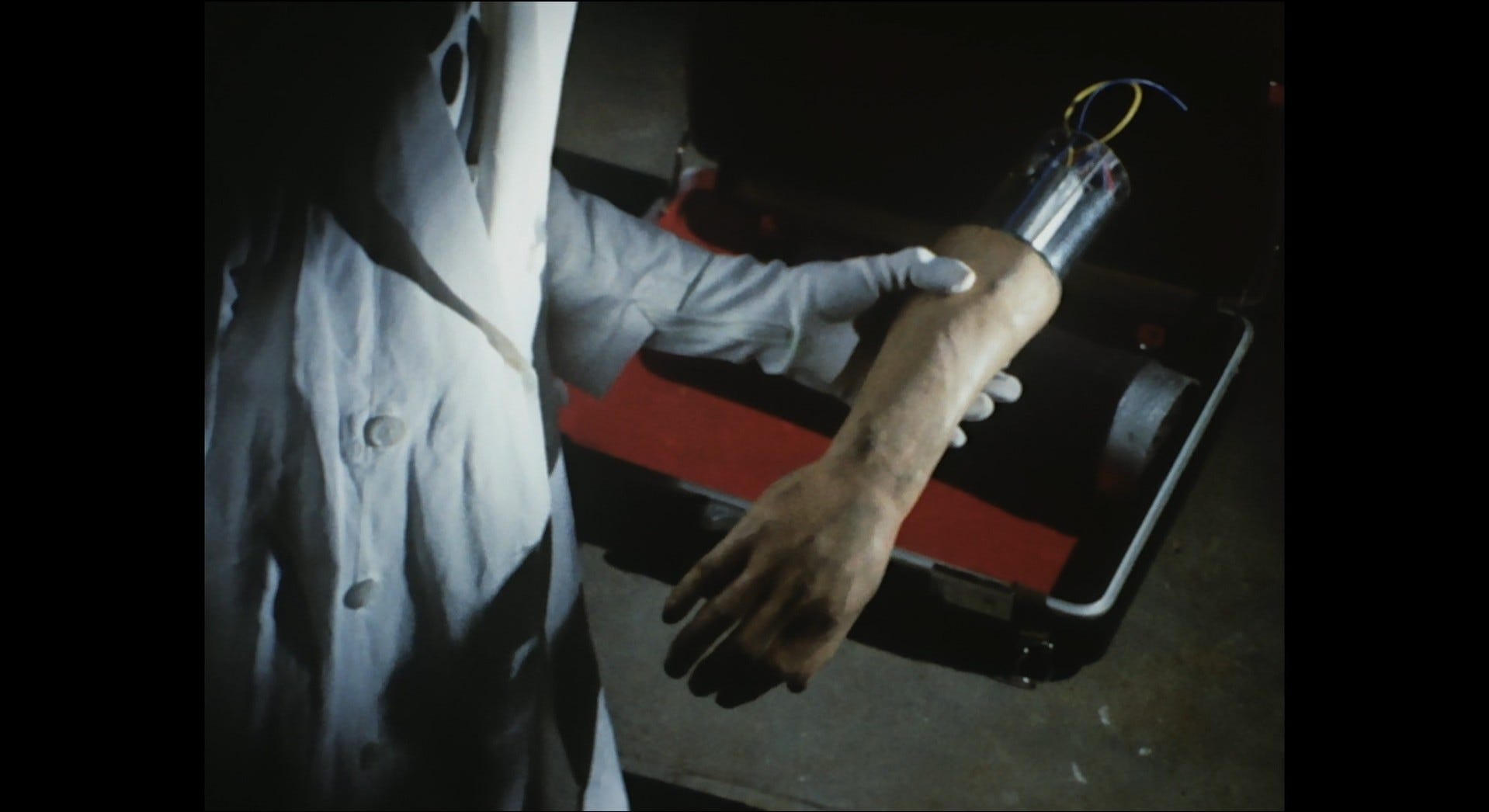
… without anesthesia!
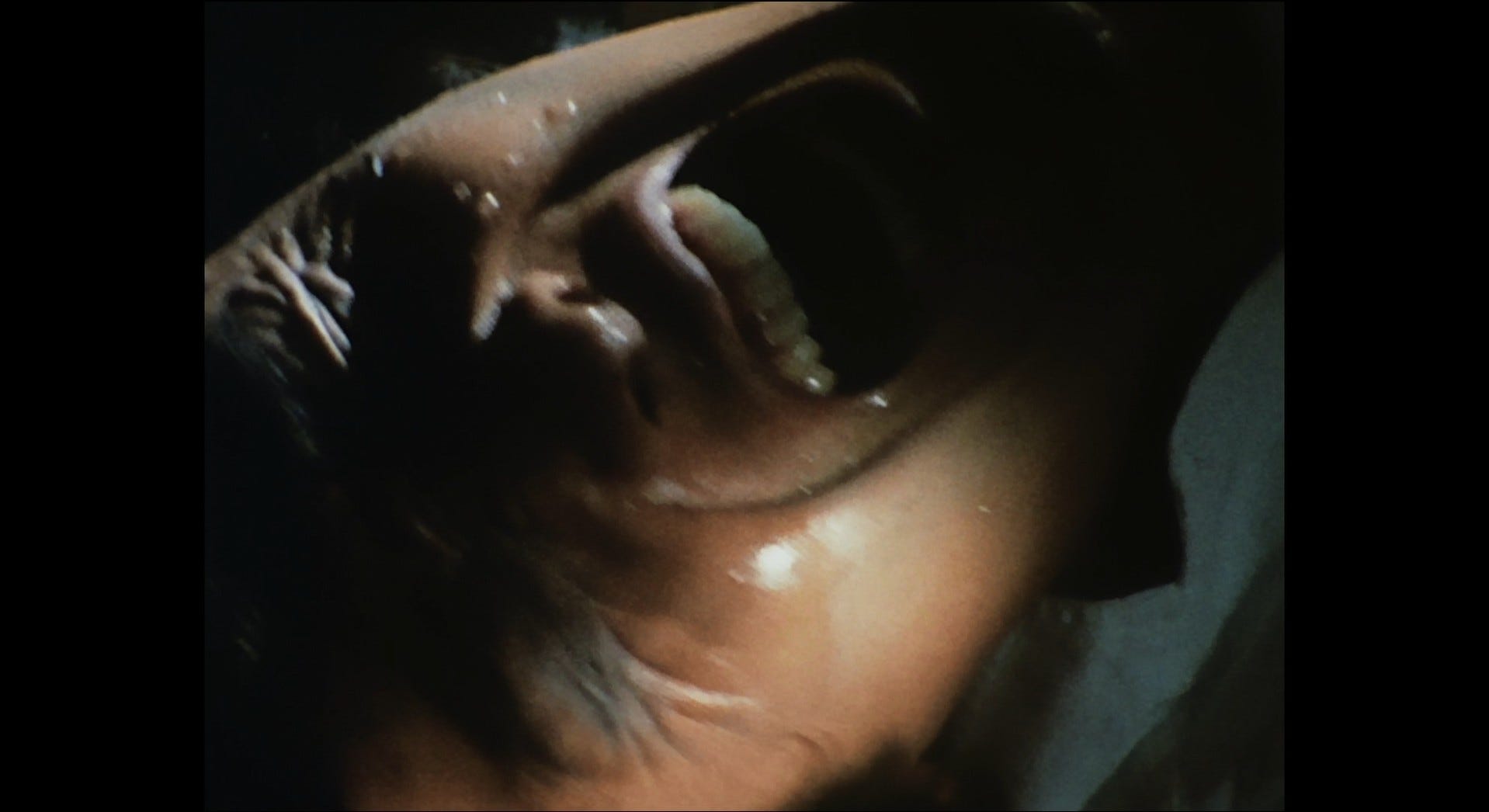
I can still remember Yūki’s screaming and the sound effects of the surgery decades later. Not suitable for Super Friends. American superhero shows were hard for me to get into. They were too bright and sanitized.
Yūki survived his surgery and became Riderman, the self-proclaimed “demon of revenge”.
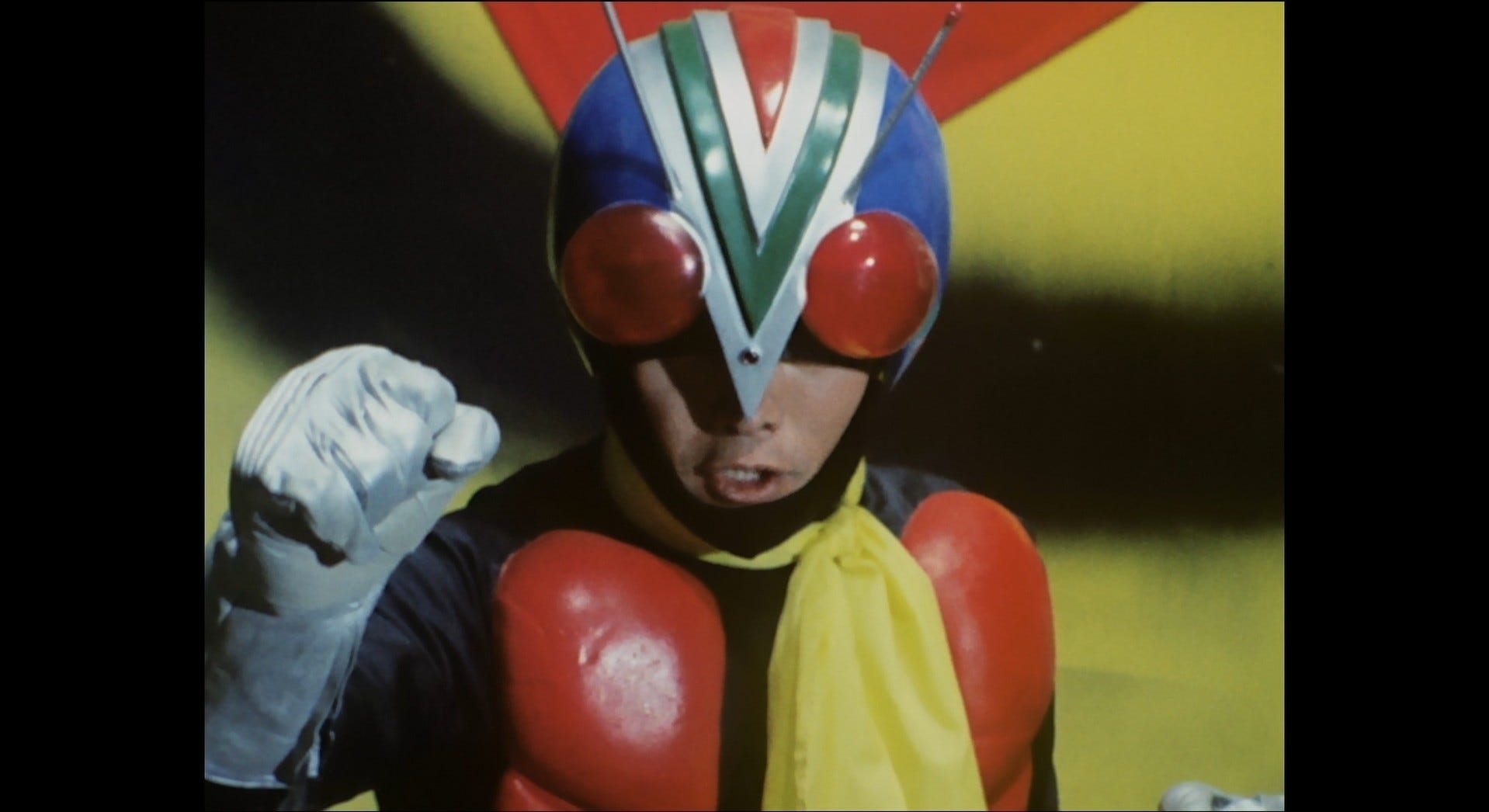
He unleashed the multiple modes of his bionic arm against his former employers.
He broke free with his clawlike power arm.
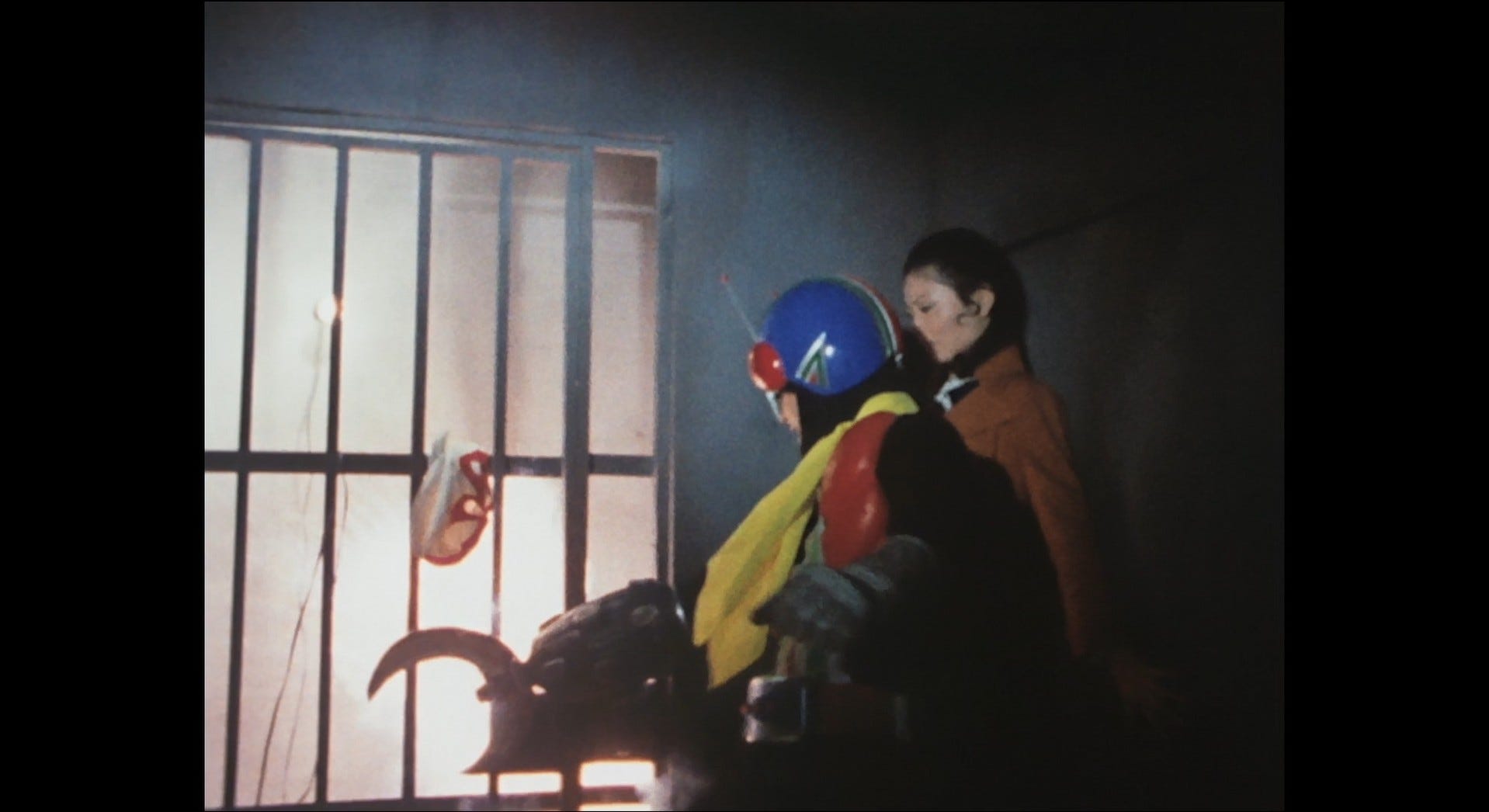
He caught a Destron minion on the hook of his rope arm.
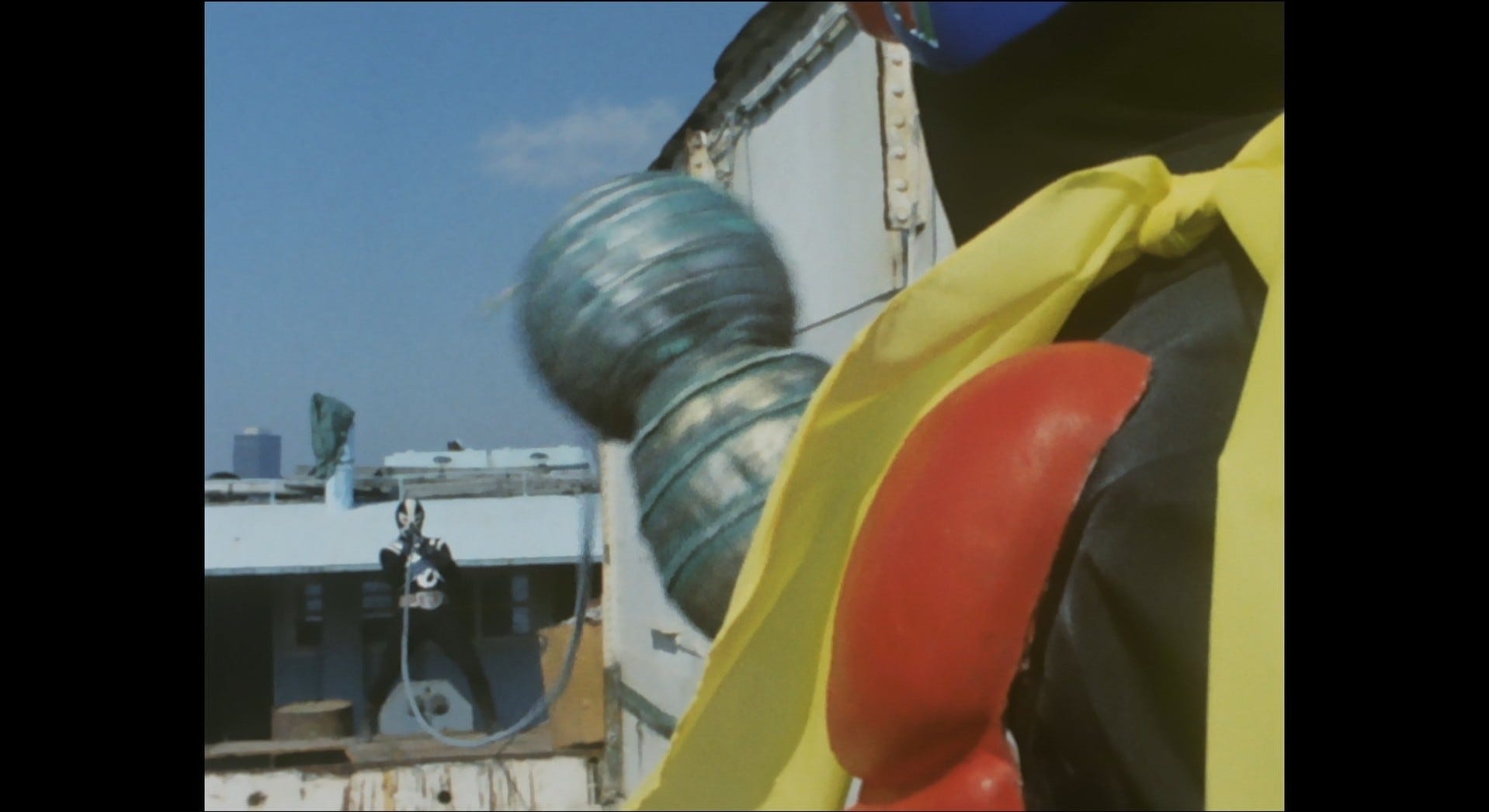
He fought Masked Rider V3 with the spiked ball of his swing arm.
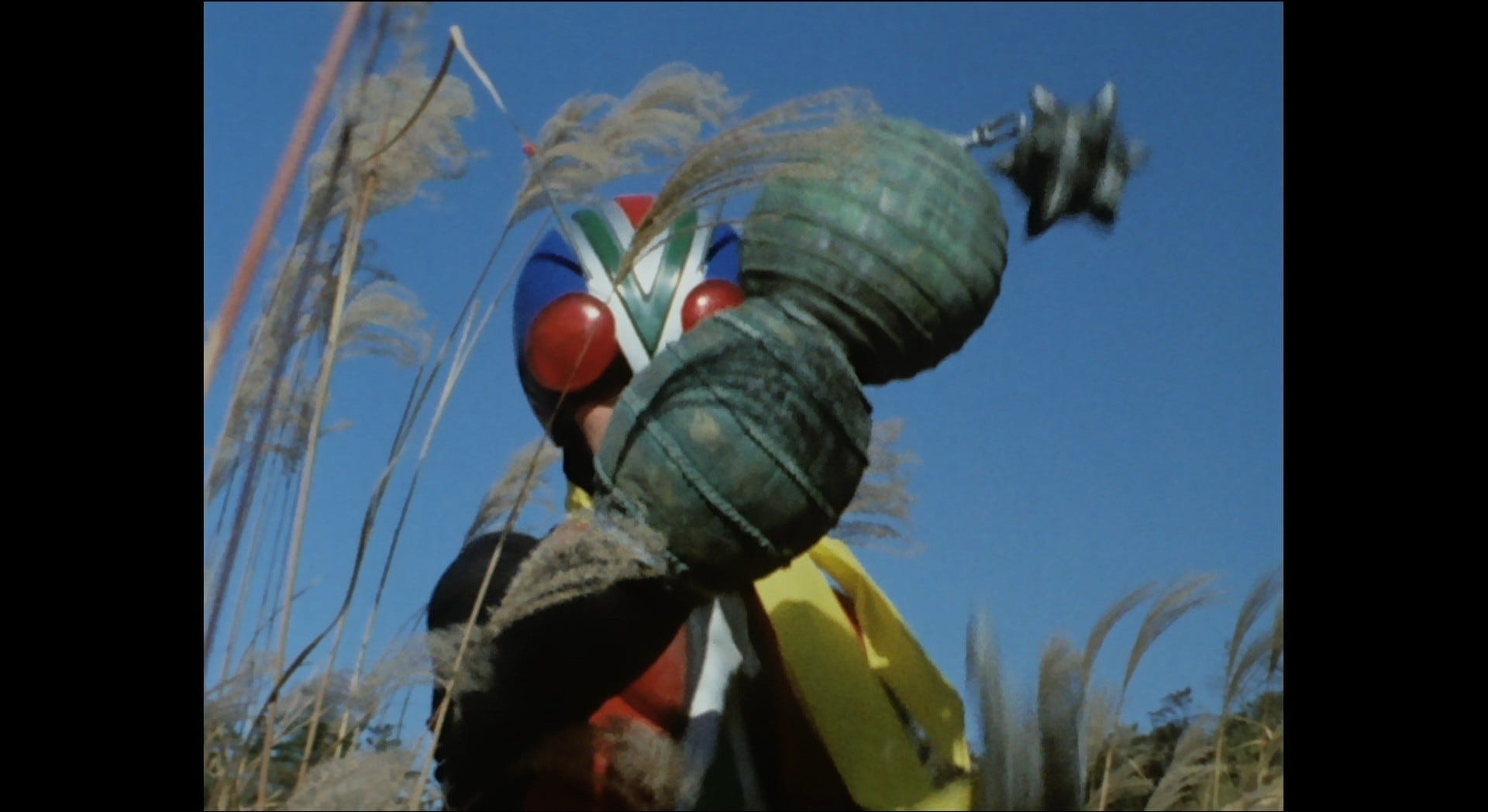
He bored through a wall with his drill arm.
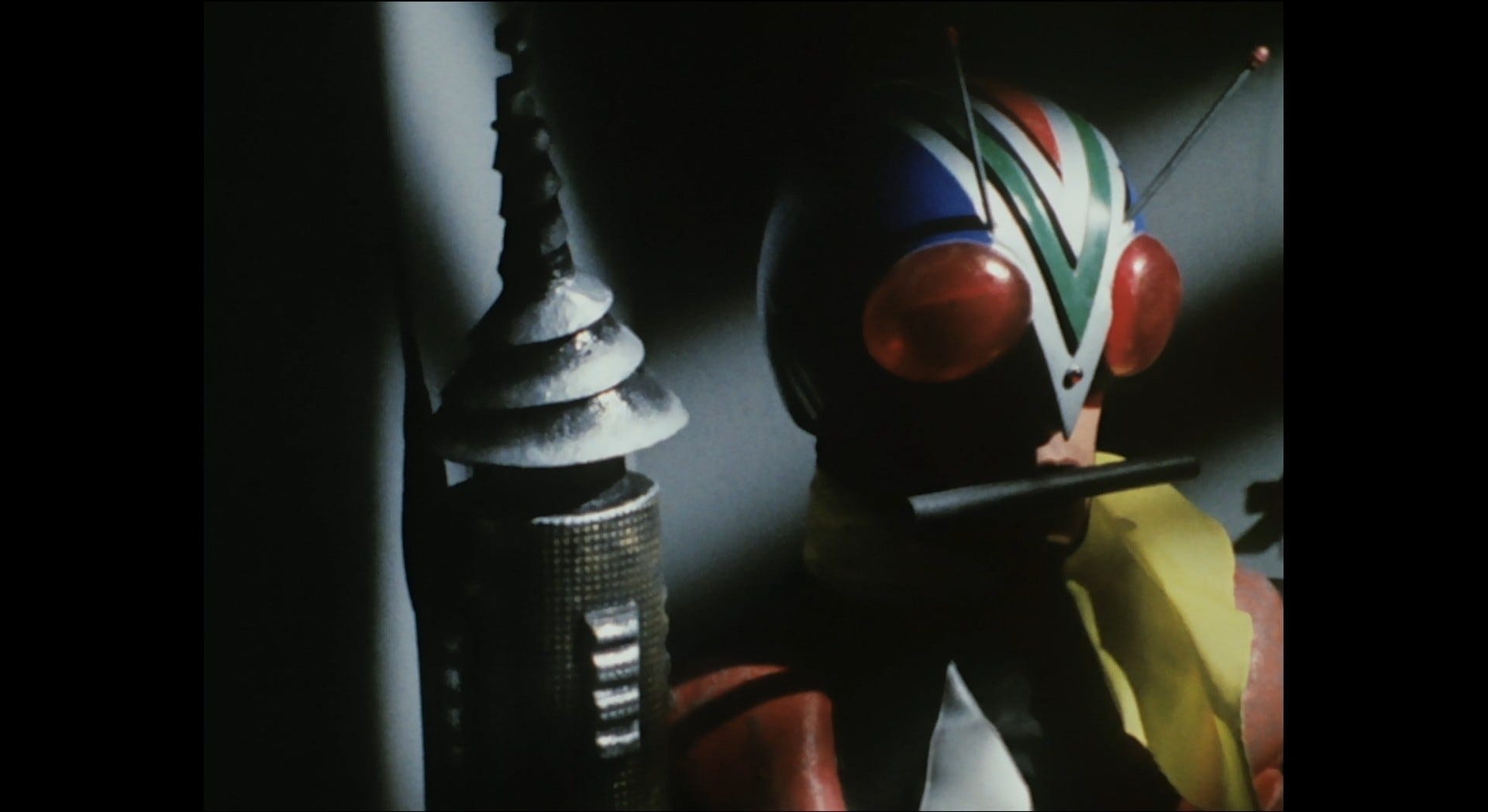
He caught a Destron monster with his net arm.
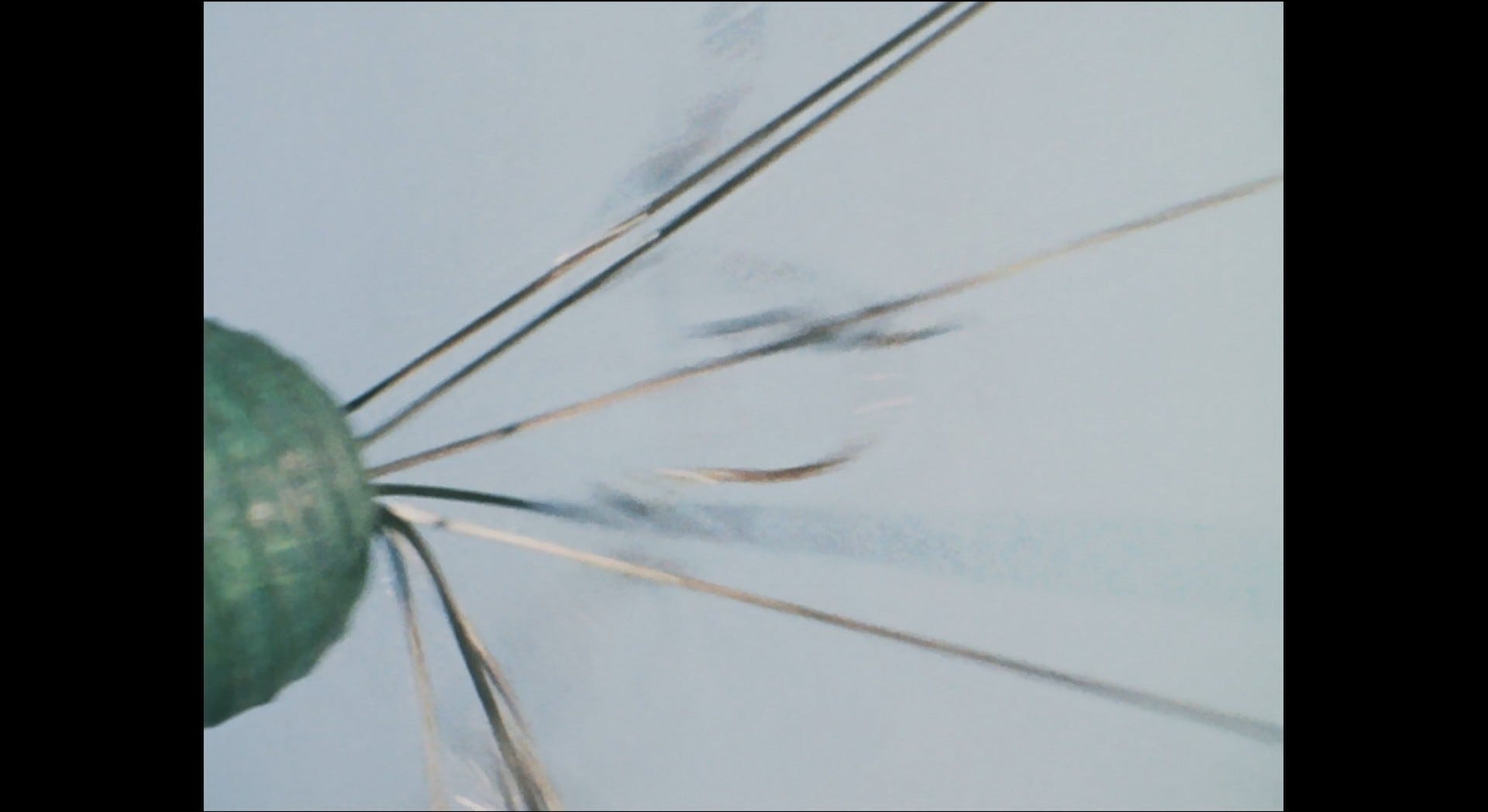
But all those new abilities didn’t make up for the partial loss of Yūki’s humanity. Here Yūki has torn off his prothesis in anger.
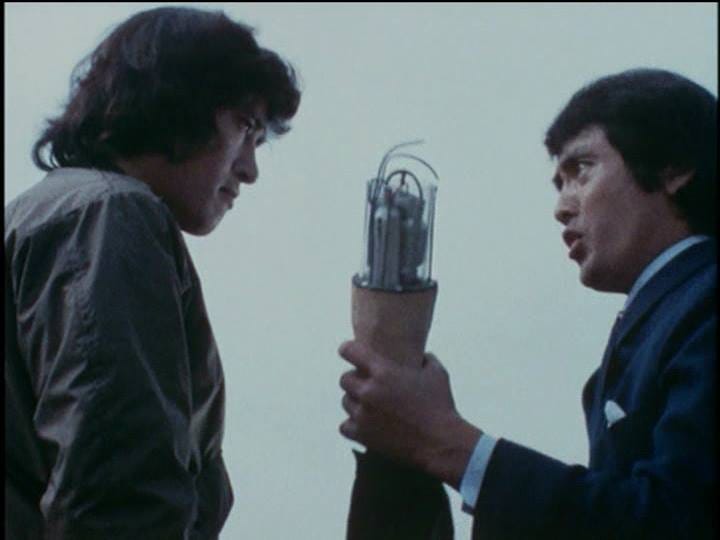
Kazami Shirō (left) understands Yūki’s pain, for he too is a cyborg like all the other early Masked Riders.
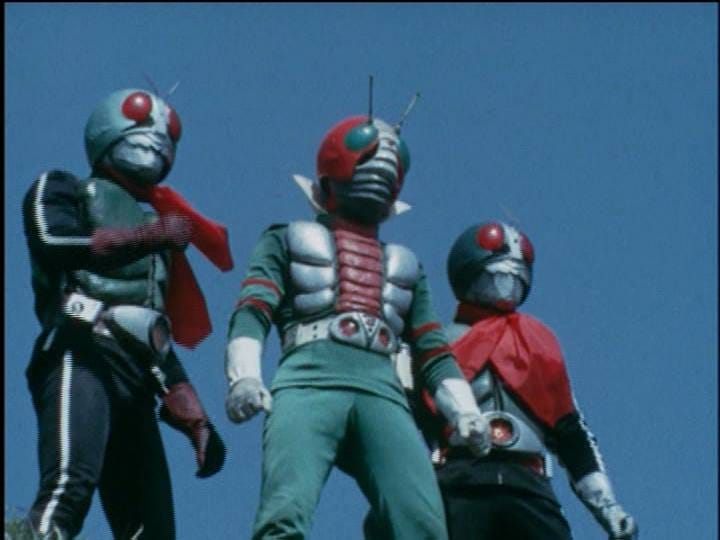
As Masked Rider V3, Kazami is far more machine than human. Yūki just lost an arm; Kazami had parts inserted throughout his body when the first two Riders saved his life.
The origin of Yamaguchi’s character in Zaborger was less grim but still taboo for American network TV. Fortunately, KIKU-TV, an independent station in Honolulu, had no problems with it or anything else that the Japanese were okay with.
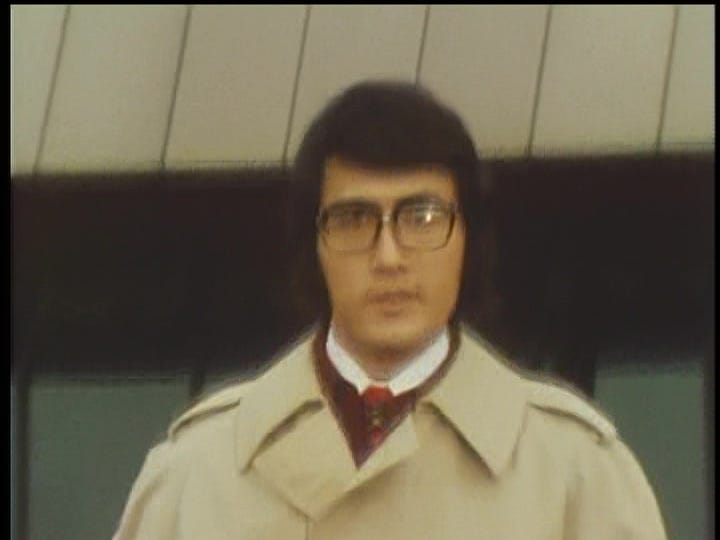
In Zaborger, Yamaguchi played undercover detective Daimon Yutaka. When we first see him, he looks like Clark Kent.
The criminal organization Sigma murdered his father. Daimon is no match for its mechanimal Antziler (pictured).
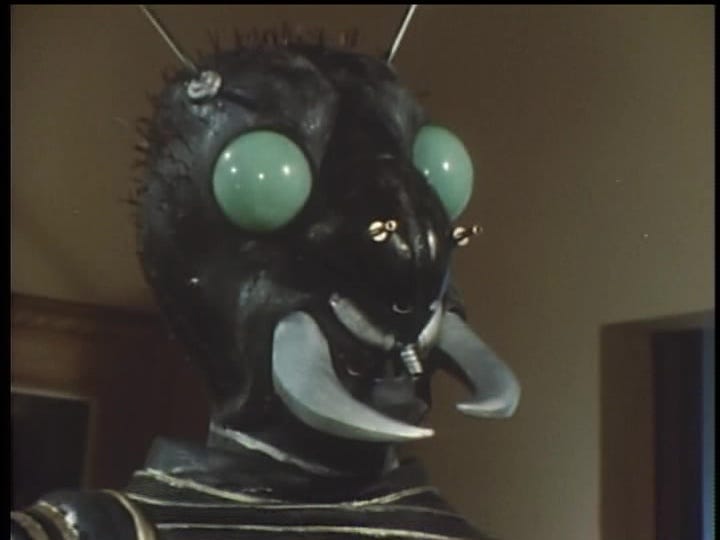
That robot murders him on camera.
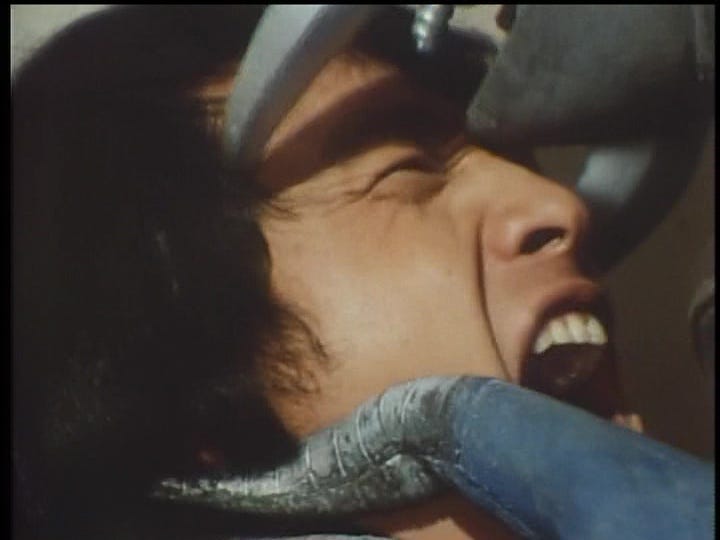
His body is unceremoniously dumped … and recovered.
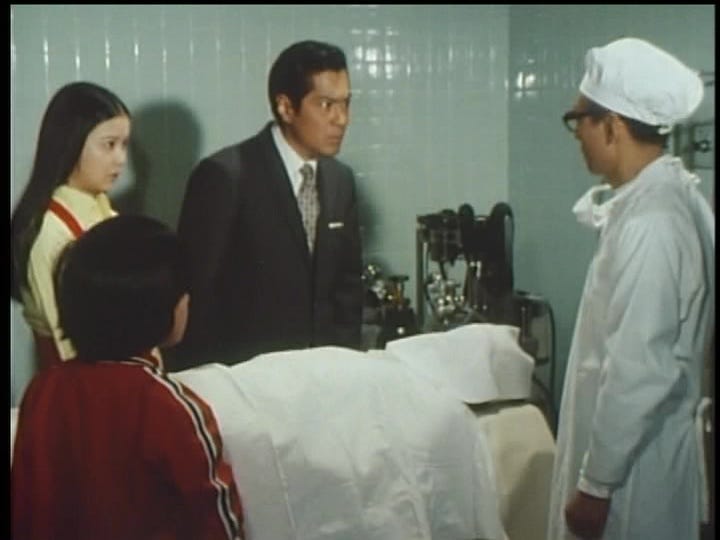
And I mean “recovered” in both senses. Not only is it found - it recovers!
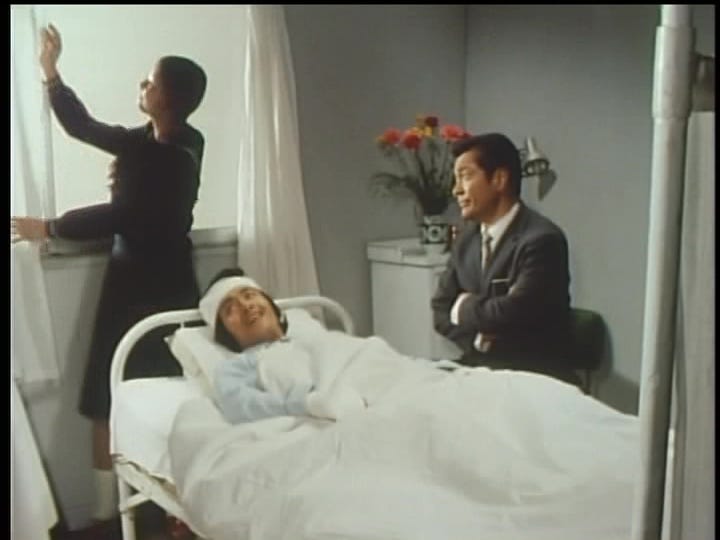
He lives again because of “electrode circuits” that his late scientist father had implanted in his chest after he was in a traffic accident at age six around 1958. Dr. Daimon was way ahead of his time! Daimon was a cyborg even before the word cyborg was coined in 1960!
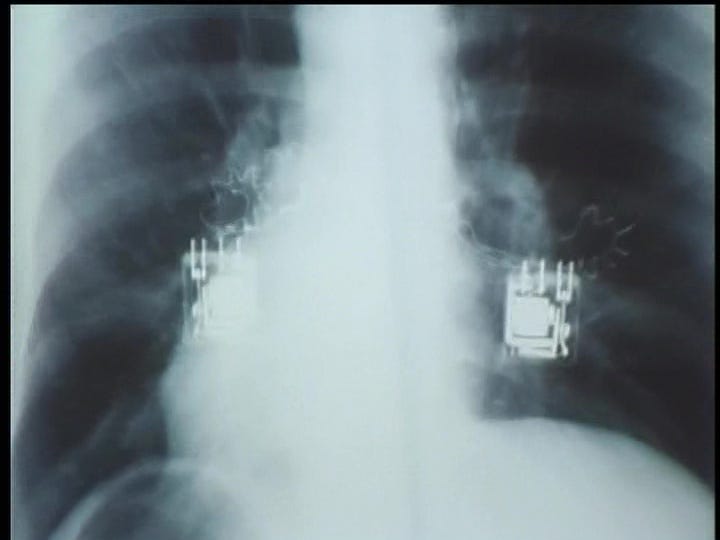
Daimon’s implants saved him then - and they saved him now.
Moreover, their “current of rage” doesn’t just make them light up.
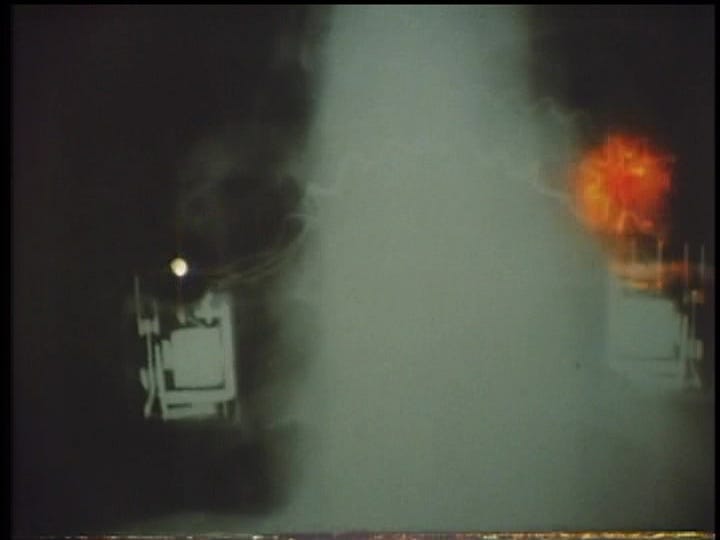
That current activates another creation of Daimon’s father: his robot ‘brother’ Electroid Zaborger.
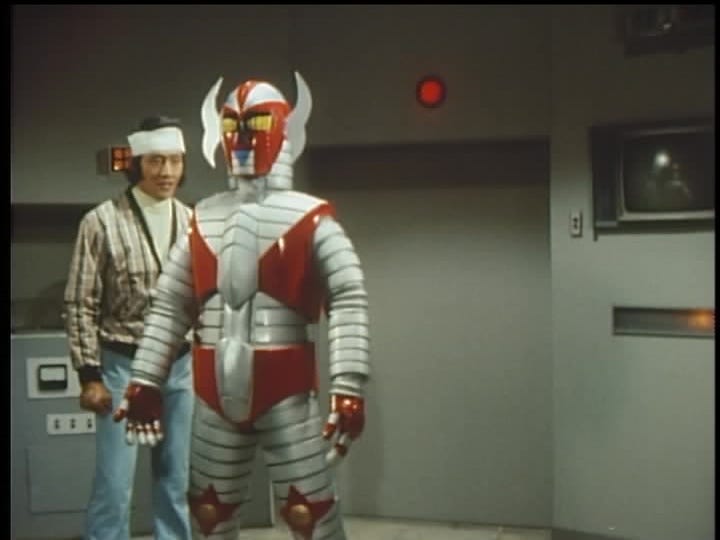
Daimon’s anger turns Zaborger on - ahem, maybe I should reword that.
His words tell Zaborger what to do. His father also made a special helmet with a microphone.
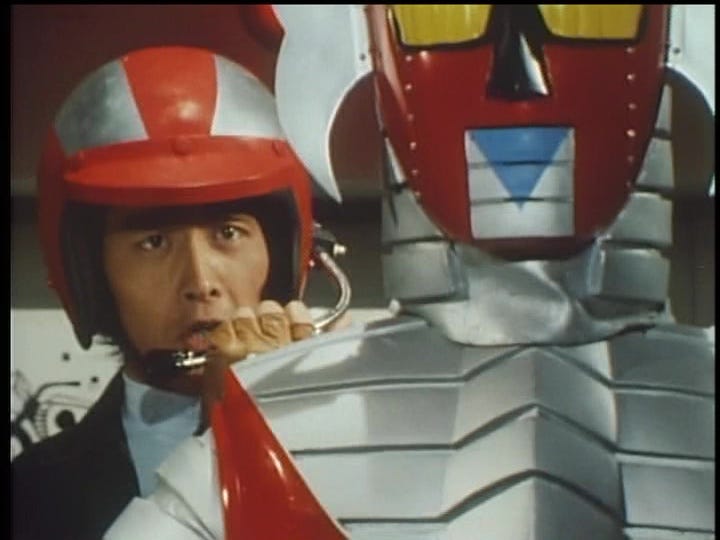
“Change, Machine Zaborger!”
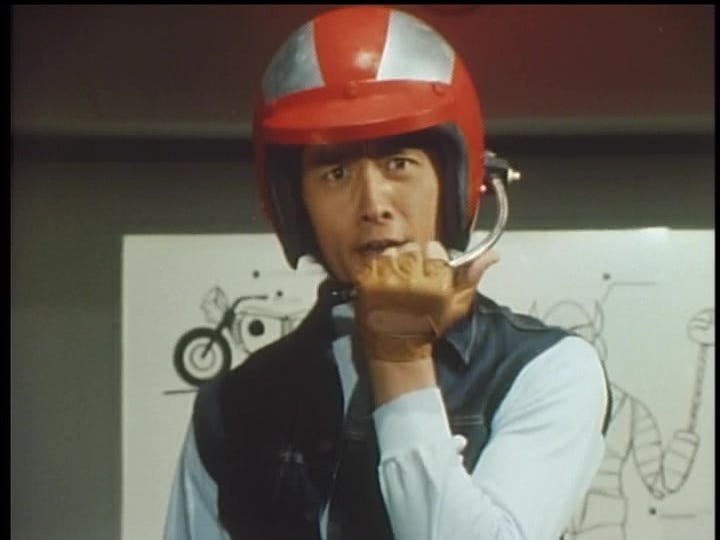
Wheels pop out of Zaborger’s chest.
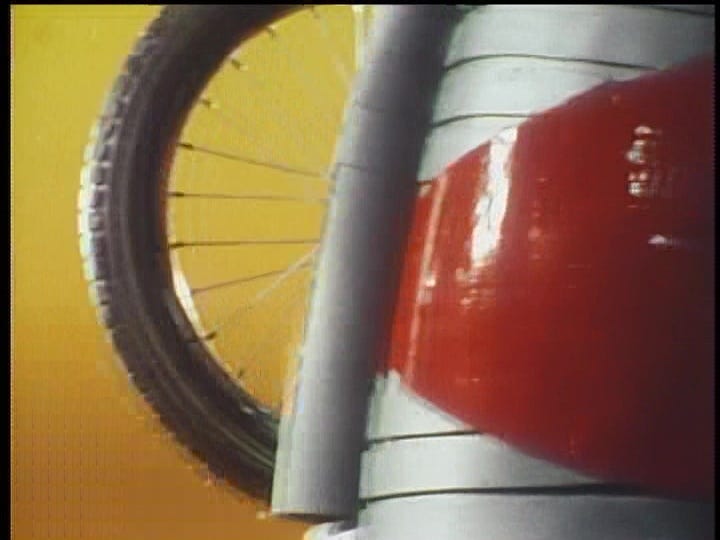
Zaborger retracts its arms …
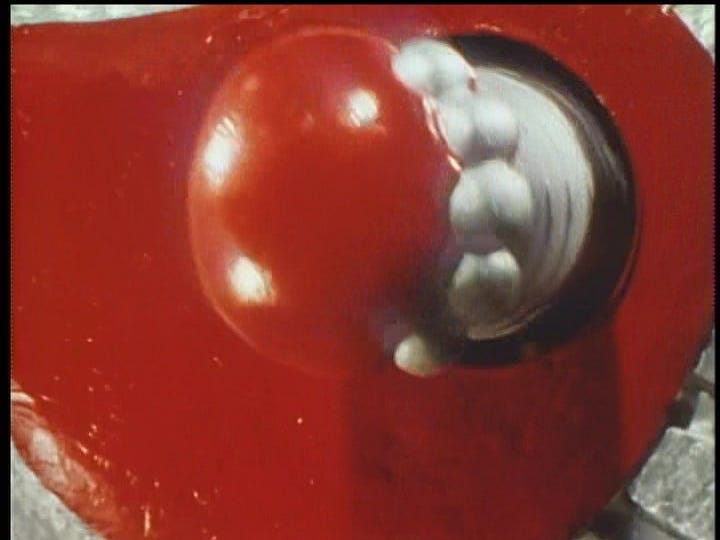
… and turns into Machine Zaborger!
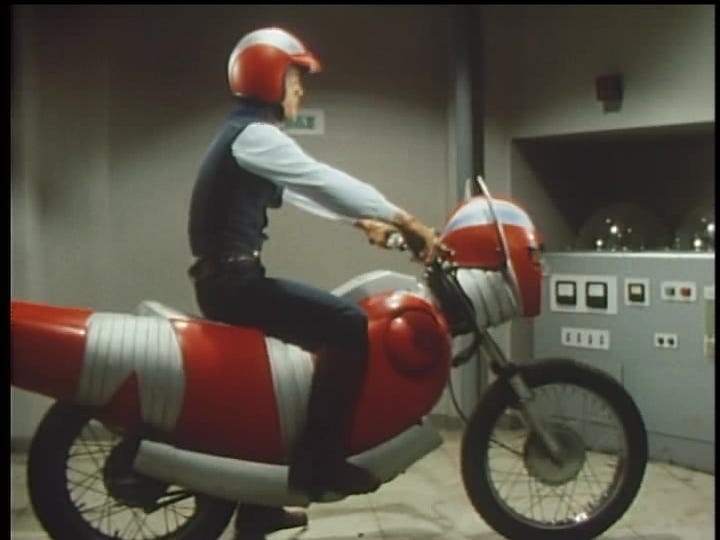
I used to have this figure of Zaborger that could sort of change into a motorcycle.
I didn’t have a figure of Daimon to mount it, though. And I gave it away after the wheels wouldn’t stop popping out of its chest.
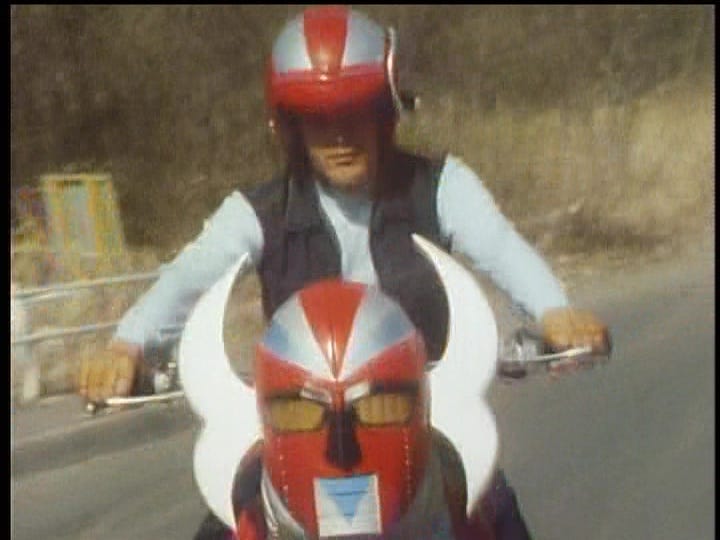
The toy could replicate almost all of Zaborger’s gimmicks on the show, including the first two I list later below.
Daimon can make Machine Zaborger revert to regular Zaborger by shouting “Electroid Zaborger go!” into his microphone.
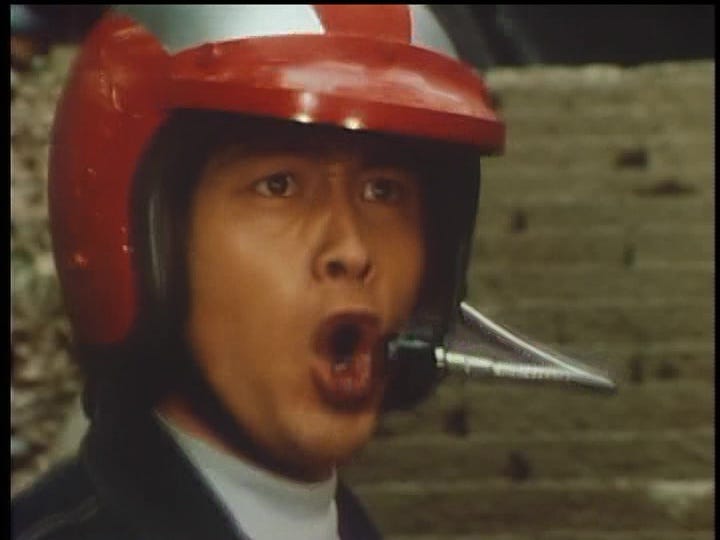
Arms extend forth …
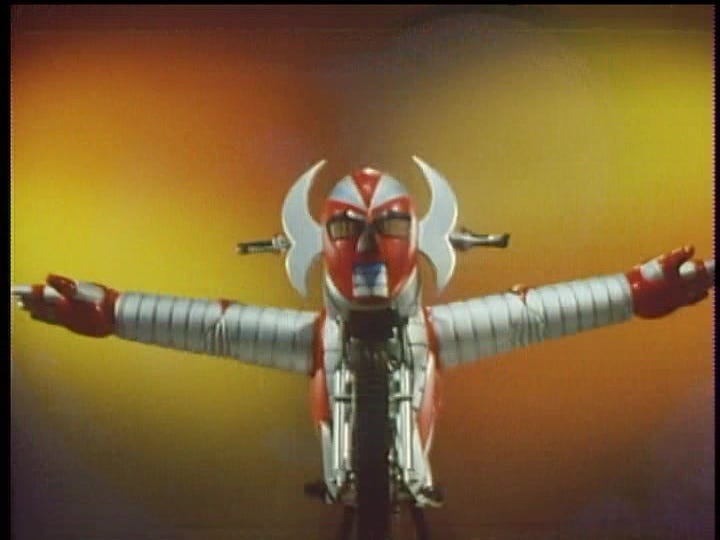
… wheels withdraw …
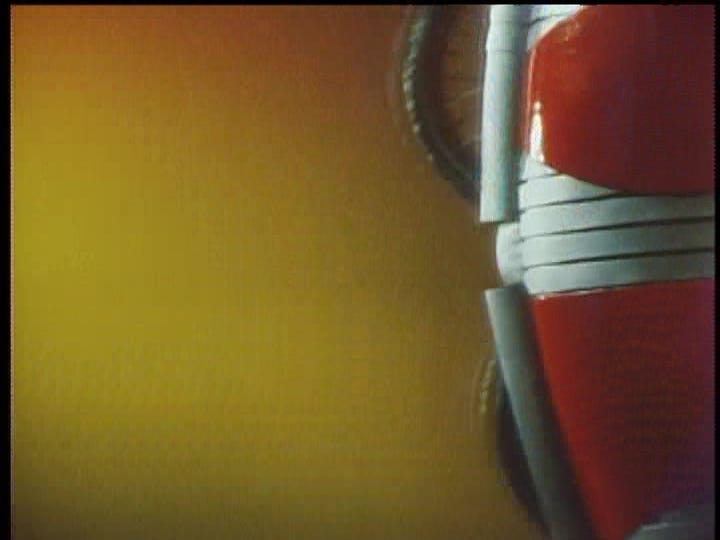
… and the motorcycle stands on two feet again.
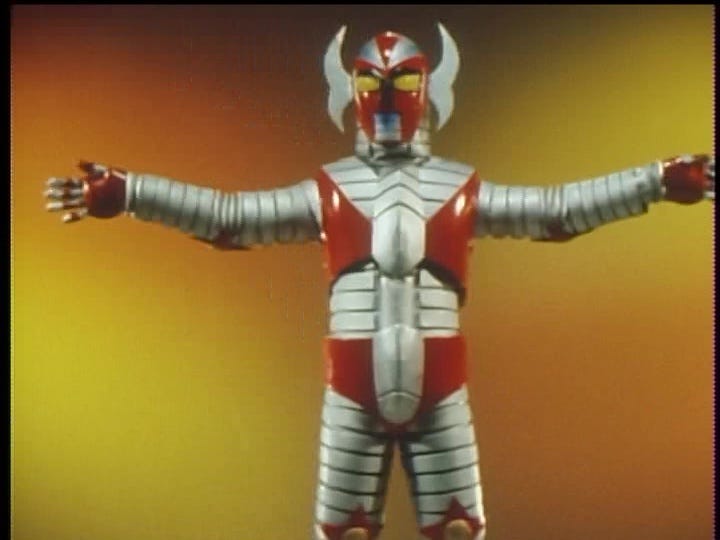
In robot mode, Zaborger can launch chain punches.
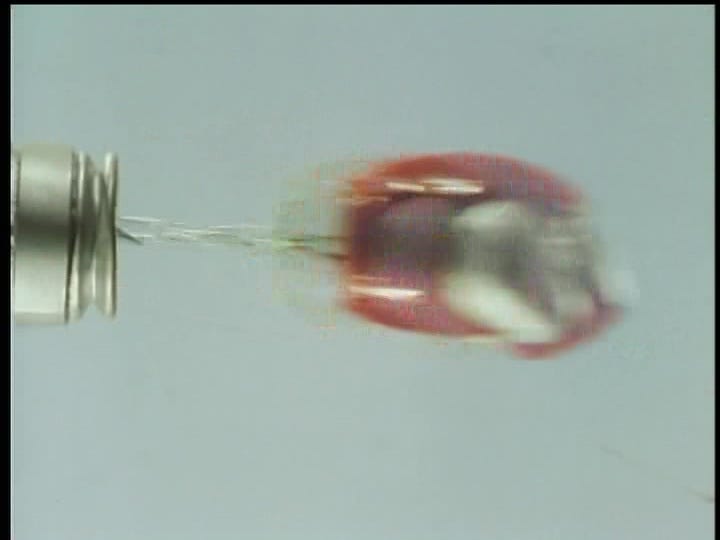
Here, Antziler is caught in the chain of one of those punches.
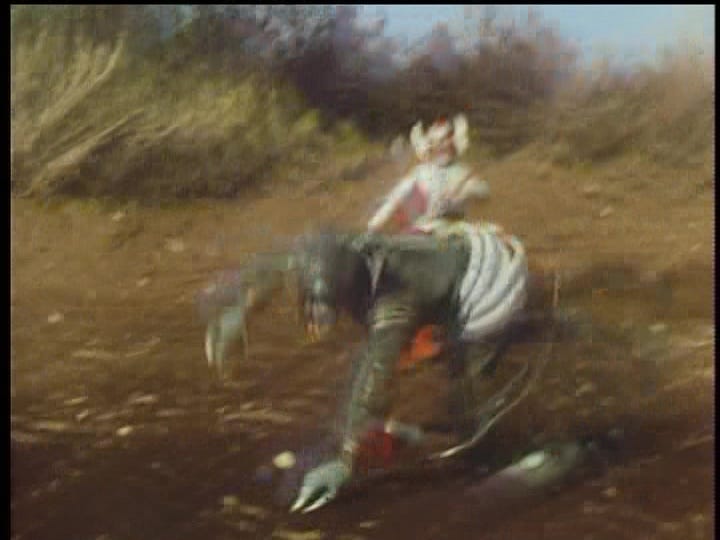
The action in Zaborger is intense, and it’s often difficult to get clear screenshots of it.
Zaborger can detach its razor-sharp ‘ears’ …
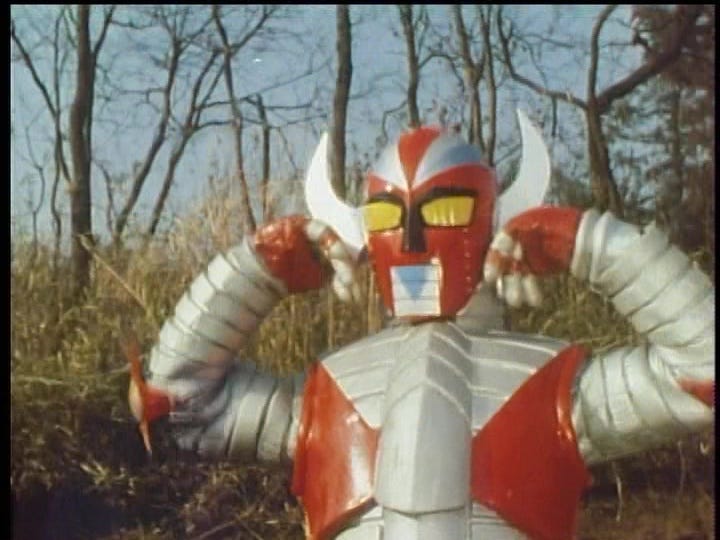
… and hurl them as boomerang cutters to behead Antziler!
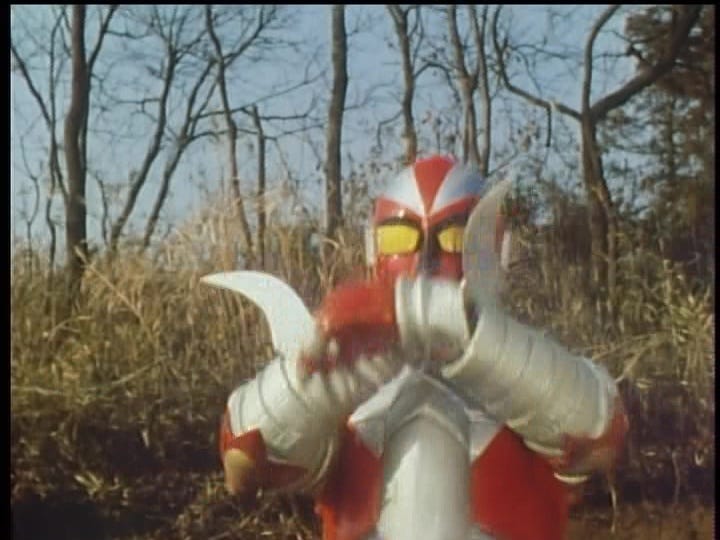
Not going to post the beheading.
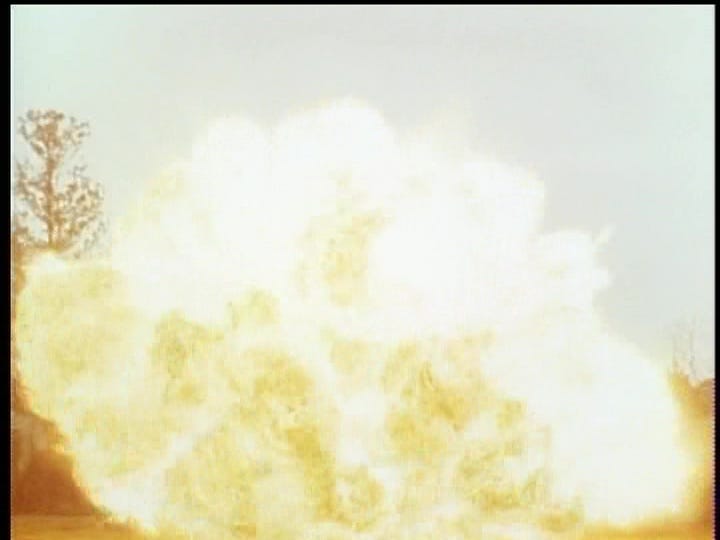
Zaborger then finishes off Antziler’s headless body with the rapid-fire destructo-gun in its ‘mouth’.
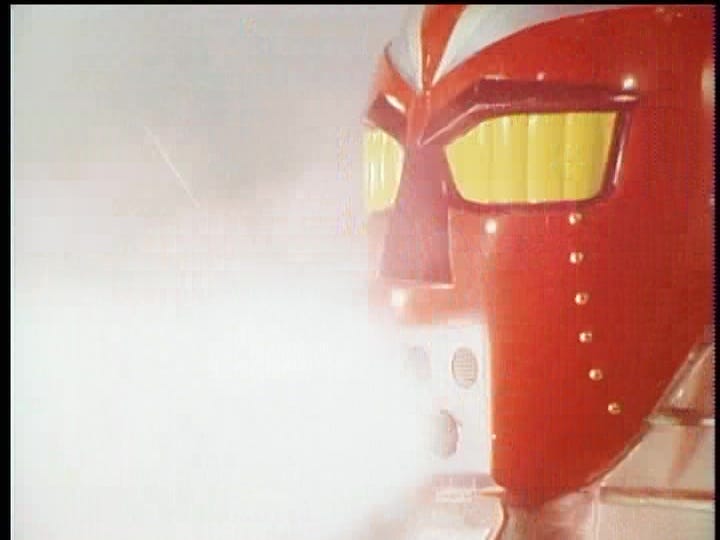
My Zaborger toy couldn’t do this.
Although Daimon can’t blow up enemies like his ‘brother’, he’s no slouch. Capitalizing on the kung fu craze1, Daimon is a master martial artist. In the first episode, he fights Sigma’s Miss Borg, who is a robot and not a cyborg despite ‘her’ name.
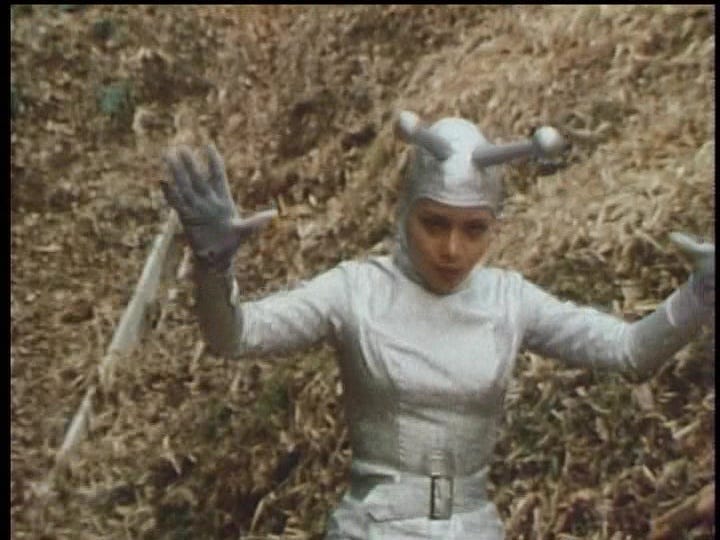
‘She’ has an alternate ‘male’ mode - with a ‘female’ voice!
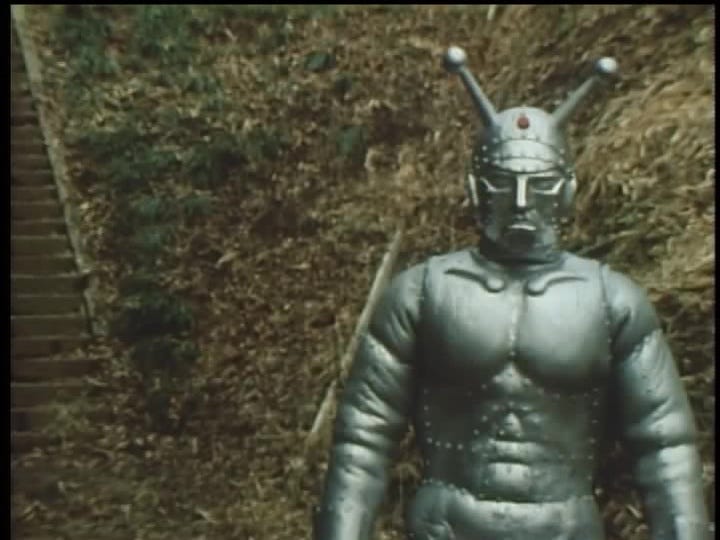
‘He’/’she’/it (it is a robot) is at the receiving end of Daimon’s ‘flying dragon three-stage kick’.
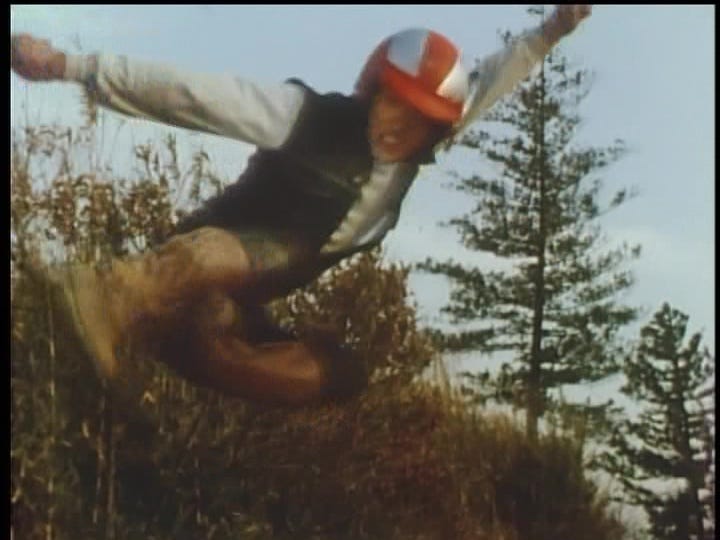
I just realized that a character costume I designed over a decade later is similar to Daimon’s minus the helmet. Yikes.
Childhood programming goes deep.
What are children watching today? And how will it still influence them a half-century from now?
Bruce Lee had died a year before Zaborger was produced. Enter the Dragon had been released in Japan in December 1973, around when Zaborger was in preproduction. It made 4.6 billion yen in Japan - about $6 million USD in 1973, equivalent to $42 million USD in 2023 - and set off a martial arts boom in Japanese entertainment.
I won't deny it's a bit naff now, but almost certainly I would have watched this like a fanatic had it aired locally. As it was, I've never heard about it until now. What I did watch instead, was created and televised a good deal earlier than Electroid Zaborger (I can't help imagining the creative team chuckling when they chose the name). Johnny Sokko and His Flying Robot was the American-dubbed title of the 1967 Japanese tokusatsu television series Giant Robo, created by Mitsuteru Yokoyama. To my little kid mind, that was serious stuff and I found it riveting. That was until years later when I discovered Kotetsu Jeeg.... I was obsessed with Jeeg and probably liked the series even more than I liked UFO Robot Grendizer, and Great Mazinger.
But Johnny Sokko and His Flying Robot was where it all began for me.
Thanks for writing about Kotetsu Jeeg in your last and Electroid Zaborger here. Despite all the dreadful travails and grim prospects here and ahead, it was good to recall and relive the happier times when these cyborgs were conceived to defend us against such grotesque though conspicuous evils. I couldn't have recognized let alone understood the transhumanist undercurrent, and maybe it wasn't predictive programming nor even deliberate. Maybe. Among the many inestimable values of children is their innocence and positivism, and just like you, I romanticized a benign future where melding with machines, voluntarily and perhaps even reversibly, would all be possible and would expand our horizons and our ability to do good things. On the contrary, a dark and foreboding and foreshortened future is materializing.
The kids these days are really into Archie Bunker impressions, I guess.