
The Pōhakuloa Hypothesis
Long stones and short memories

What can you buy for a dollar?
The USSA Army bought what became Pōhakuloa Training Area (PTA), “the largest military installation in the Pacific”, for just a dollar.
Some people here have been upset about that.

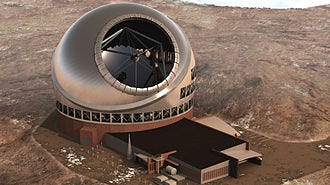
But not many. Even though the activists in the Al Jazeera article above directly link the PTA controversy to the far greater Thirty Meter Telescope (TMT) controversy:
To those who question his charge that live-fire training desecrates sacred land, Ching says “it really doesn’t matter what they think”.
“They’re not here. If I think Mauna Kea (White Mountain) is sacred – it’s sacred.”
[…]
In the struggle to protect sacred places, Aloua also sees a direct connection between PTA and the battle to stop construction of the Thirty Meter Telescope (TMT) atop Mauna Kea.
“I’m always reminding myself, Pohakuloa is at the base of Mauna Kea, and so it is Mauna Kea. So the TMT on the northern plateau and going up to the wao akua [realm of the gods1] in that area, it’s all related so whether we go down to Pohakuloa or we continue down to where we are, down by our ocean reefs.”
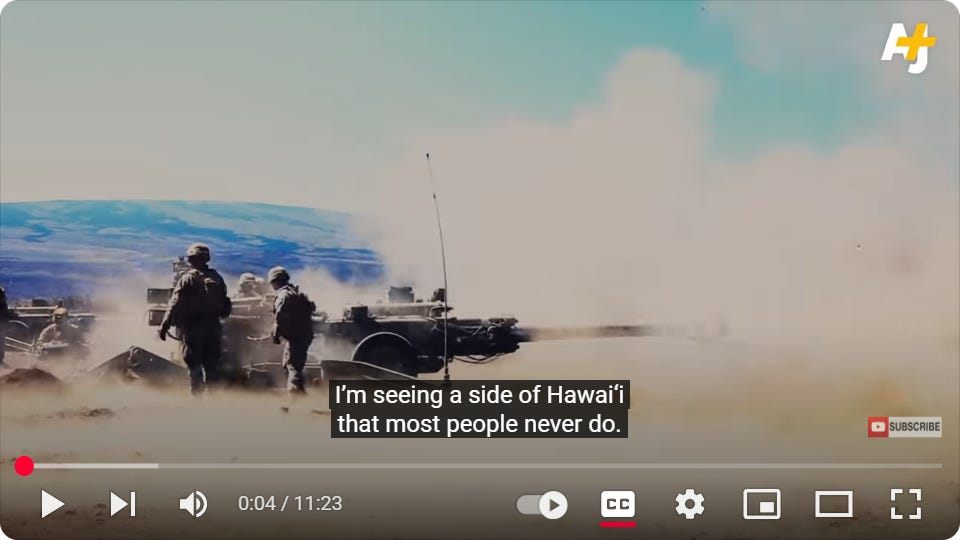
Wikipedia describes Pōhakuloa as being “on the high plateau between Mauna Loa, Mauna Kea and the Hualālai volcanic mountains of the island of Hawaiʻi.”
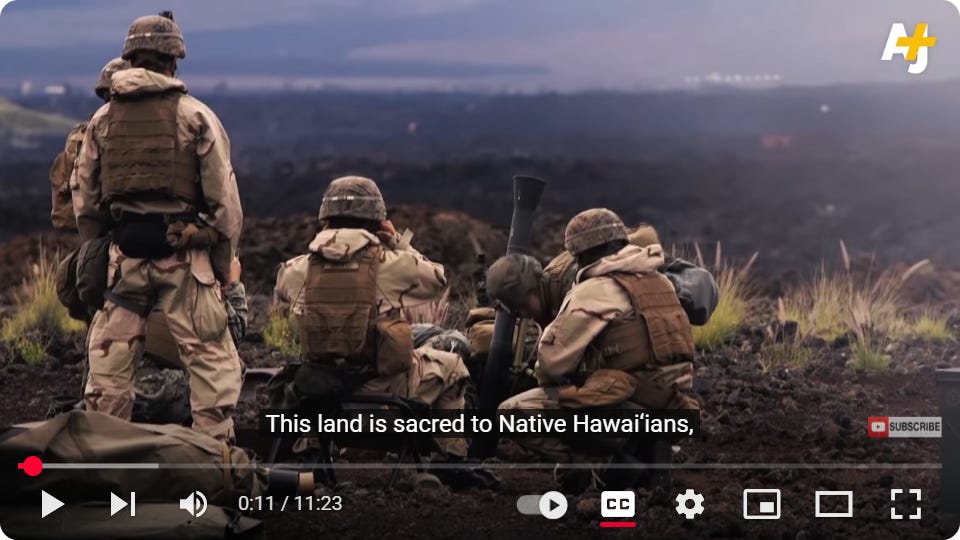
If we accept the premise that Mauna Kea is sacred, surely the abuse of a vast tract of land on “the base of Mauna Kea” by Hawaii’s AmeriKKKan military oKKKupiers would be a greater offense than a single telescope.

Surely.
But no.
The Al Jazeera article is from 2018.
2019 was the year of Mauna Mania, which I documented here:
The media had stopped talking about Pōhakuloa in 2019. They forgot about the long stones.2
I wouldn’t be surprised if only one out of ten people here - excluding the military - know what Pōhakuloa is.3 And knowing what it is does not entail opposing it.
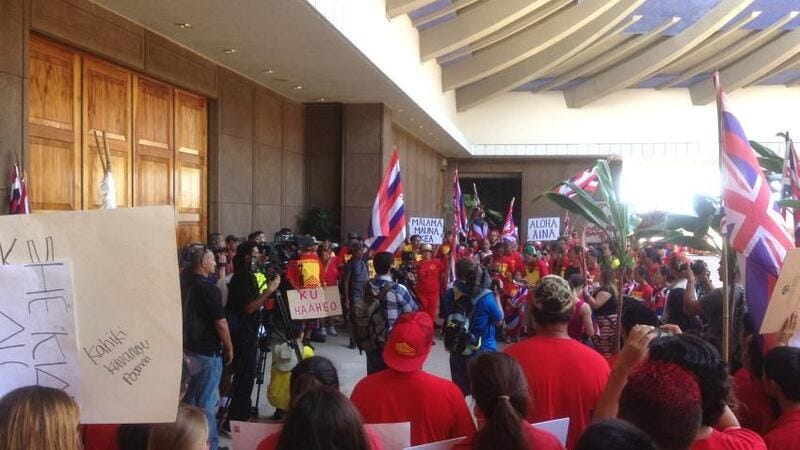
I would be surprised if one out of ten people here didn’t know what Mauna Loa is. Mauna Loa was pushed hard, not just in the media, but in our everyday surroundings. Even this afternoon, six years after Mauna Mania, I saw a kū kiaʻi mauna ‘stand guard [over the] mountain’4 flag in a neighbor’s garage.
In theory, Mauna Mania could have exploded years earlier.
The TMT project wasn’t suddenly announced in 2019. Mauna Kea had been chosen as the site for the TMT in 2009. There were earlier protests against the TMT, but they came and went without imprinting the public consciousness.
And there are other, older telescopes already on Mauna Kea.
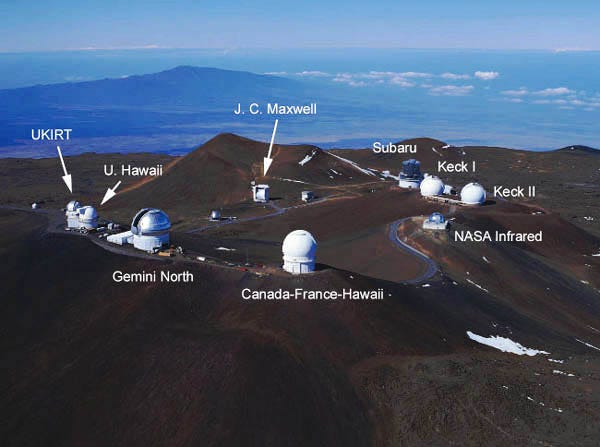
None of which ever energized the public the way the TMT did in 2019.
Why 2019?
At the time I came up with what I now call the Pōhakuloa Hypothesis.
Mauna Mania was a gigantic distraction from Pōhakuloa. From the USSA military’s precious property. Get the public mad about a telescope, and they won’t care about bombing and even allegations of radiation: e.g.,
May 29, 2007 when winds were blowing directly off the PTA impact area toward Mauna Kea Park and citizen monitors recorded several spikes [of radiation] 4 times background levels.
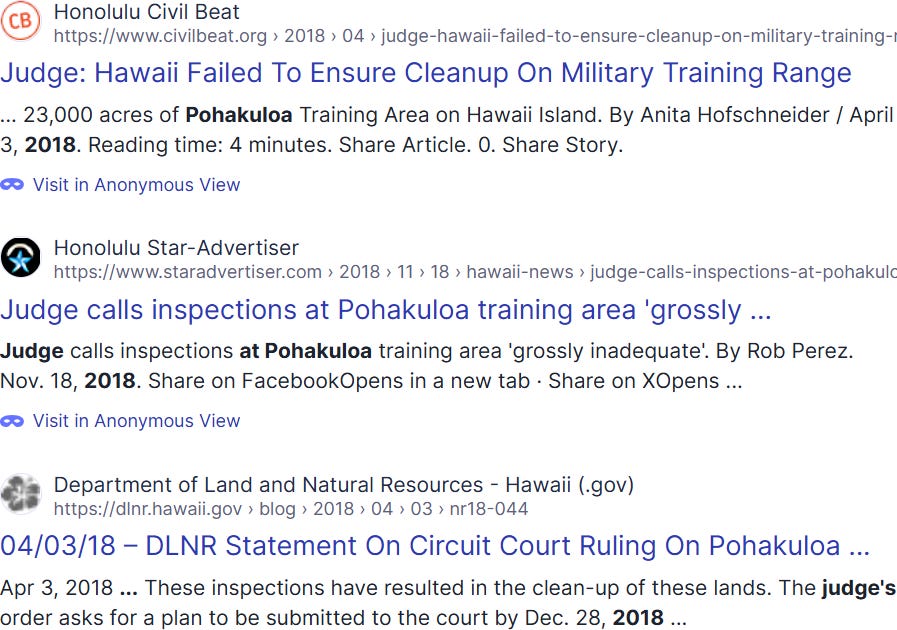
Was there fear that anti-Pōhakuloa activism in 2018 could snowball into a serious threat after this victory mentioned in the Al Jazeera video?
In 2018, a Hawai‘i federal judge actually sided with them, saying that the state “failed to mālama ‘āina” - using the Native Hawai‘ian words for land stewardship. He also ordered the Army to clean up its mess of bombs.
Or was there some other motivation?
Something terrible at Pōhakuloa in 2019 that had to be hidden from the public?

Something related to the next madness - CONvid in 2020?

I don’t know.
Even more puzzling, it seems that Pōhakuloa might have served its purpose. Last month, Pōhakuloa finally surfaced in the news:
The state Board of Land and Natural Resources has voted to reject the Army’s final environmental impact statement to retain its lease on state land for the Pōhakuloa Training Area on Hawaii Island.
Is the USSA military really going to let the state government say no to it?
Maybe … if it doesn’t need Pōhakuloa anymore.
Or if letting go of Pōhakuloa serves a higher narrative.
What might that higher narrative be? A hint:
This is Lakeo Trask’s translation of wao akua from the Al Jazeera article. The 1986 Hawaiian Dictionary defines wao as ‘A general term for inland region usually forested but not precipitous and often uninhabited’. Akua is ‘god(s)’. In Hawaiian, possessors follow the possessed, so wao akua is ‘wao [of the] gods’.
Pōhaku is ‘stone’ and loa is ‘long’. Hawaiian adjectives follow nouns, so Pōhakuloa ‘stone-long’ means ‘long stone’.
Despite being born and raised here, I had never heard of Pōhakuloa until 2019 when I discovered it while researching the TMT issue. I was appalled that such blatant desecration was ignored.
Few people in Hawaii can speak or understand Hawaiian, but many would recognize this slogan which was everywhere in 2019, even if they didn’t know what the individual words meant. Hawaiian is largely symbolic and often political in modern Hawaii. The choice to use Hawaiian words and phrases matters more than the actual content of those words and phrases.
To your knowledge have there been any legit archeological digs anywhere in Hawaii? I tend to be skeptical about noble savage stuff but due to a recent obsession I've developed in regard to timeline distortion of become really interested in Pacific/Polynesian Islander History. If the US Government wants to start doing live fire training somewhere that would be a location where I would want to start digging. I suspect that is precisely why so much of the American South West is Federal Land.