
Byrne-El
The fortieth anniversary of the first Superman reboot

Jerry Siegel and Joe Shuster’s creation Superman has been known to the public since 1938.1 The character changed so much over time that by 1986 historian Bob Hughes proposed that there were four different Supermen:
The original Superman came from a planet where all humans had super powers, grew up in Metropolis, the foster son of Eben and Sarah (or John and Mary) Kent, and didn’t become a hero until he was an adult.
The second, the Superman of the 1950’s, was raised in Smallville, the foster son of Jonathan and Martha Kent. He first appeared as Superboy, but didn’t fight Luthor or Mxyzptlk until he reached manhood. His powers came from Earth’s lesser gravity and being freed from Krypton’s unique atmosphere.
The third Superman, from the 1960s, faced most of his major enemies for the first time while still a child. He has known from the beginning that he was the last heir of Krypton and was raised to bear the responsibility of the world on his shoulders. His powers come from the yellow solar radiation of the Earth’s sun.
The fourth Superman is the logical extension of all that have gone before. He is the ultimate. No further expansion of his abilities is possible. He is not only Earth’s champion, but the Universe’s. He patrols, not just Metropolis or the Earth, but the entire known galaxy.
None of the above is official. Until 1986, DC Comics’ canon recognized only two Supermen, the Superman of Earth-One (equivalent to Hughes’ third and fourth Superman) and the Superman of Earth-Two (roughly equivalent to Hughes’ first Superman2). (The adventures of Hughes’ second Superman were largely ignored, as they were transitional and hence difficult to reconcile with earlier and later stories.) Earth-One and Earth-Two were just two of many Earths in the DC multiverse. Multiverses are trendy now, but in 1986, DC’s rival Marvel Comics had basically only one universe3, and DC emulated them by wiping out its multiverse in Crisis on Infinite Earths (1985-1986), leaving a single unified DC Universe with a capital U.
A universe without an Earth-One or an Earth-Two Superman or an Earth-Three Ultraman, the evil counterpart of the first two4.
A universe with a new Superman reimagined by artist-writer John Byrne in what was billed as “The Comics Event of the Century!” forty years ago today.
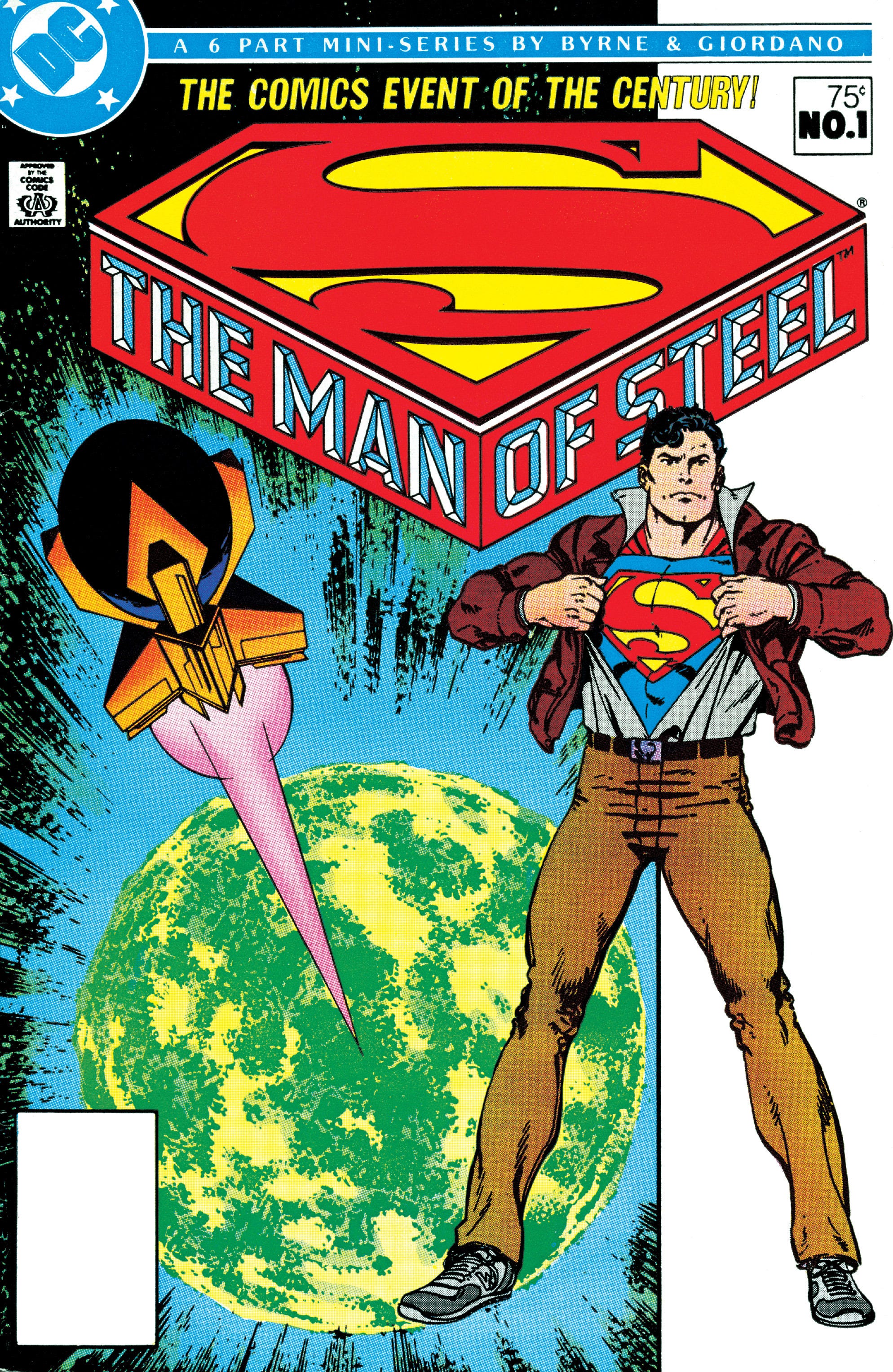
More of an event than the debut of Superman in 1938? No way.
Nonetheless, this was a big deal. Previous Superman revamps were gradual and never overtly denied the past. All Superman stories up to 1986 - aside from noncontinuity ‘Imaginary Stories’5 - had officially ‘happened’ either on Earth-One or Earth-Two.6 No single creator was given carte blanche to start over.
Until Byrne. John Byrne was a Canadian superstar in American comics in the eighties. Following a beloved run on X-Men, Byrne had just revitalized Fantastic Four which had fallen far from its original status as the founding title of modern Marvel Comics. It made sense for DC to hand over their founding hero to him.
I confess that I’m a ‘Byrne victim’7 - a Byrne fan - so I’m biased in his favor.
Yet despite my appreciation of his work in general, I have always had mixed feelings about his first take on Superman. (I may get to his second take in a couple of years when Generations turns thirty.)
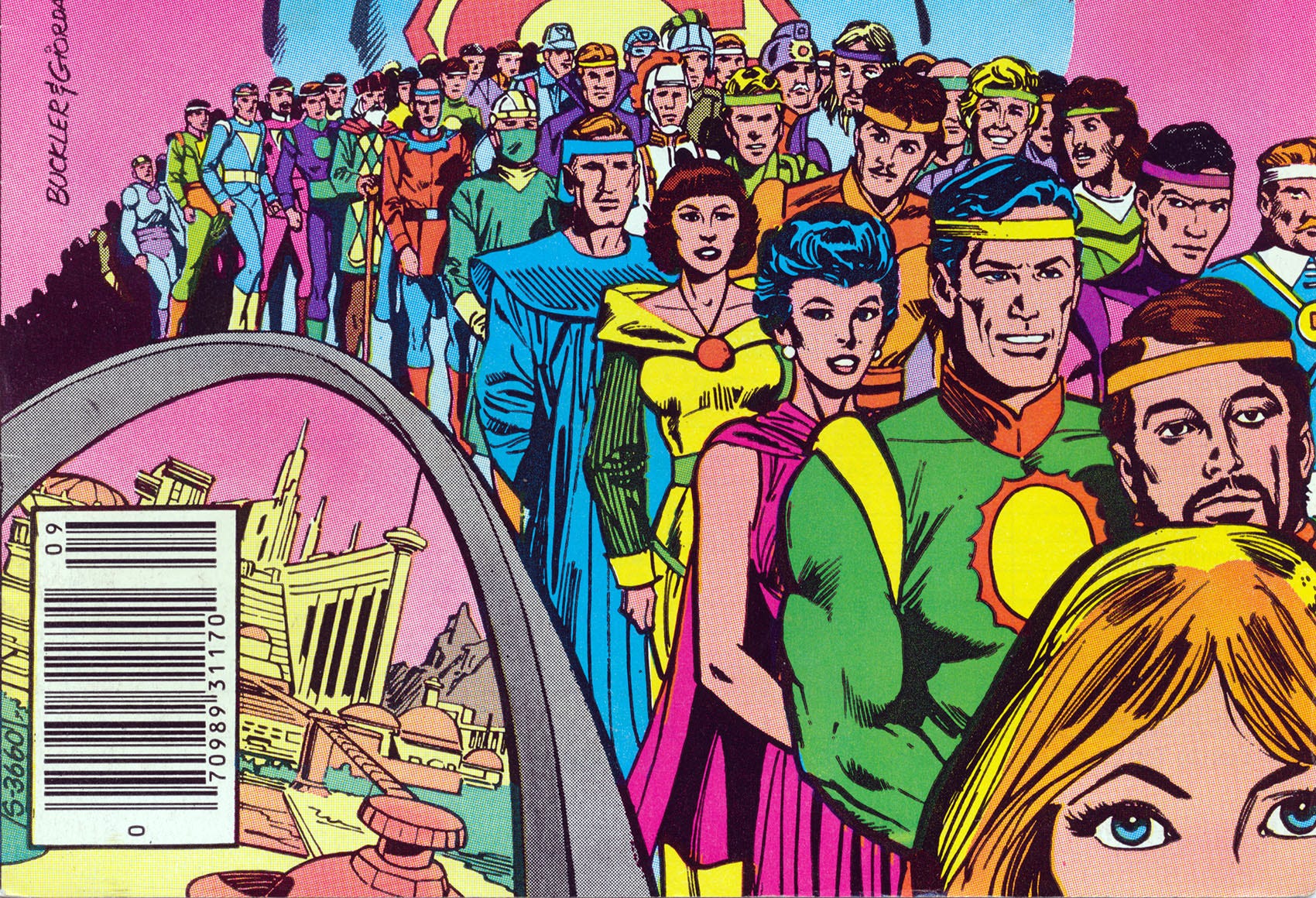
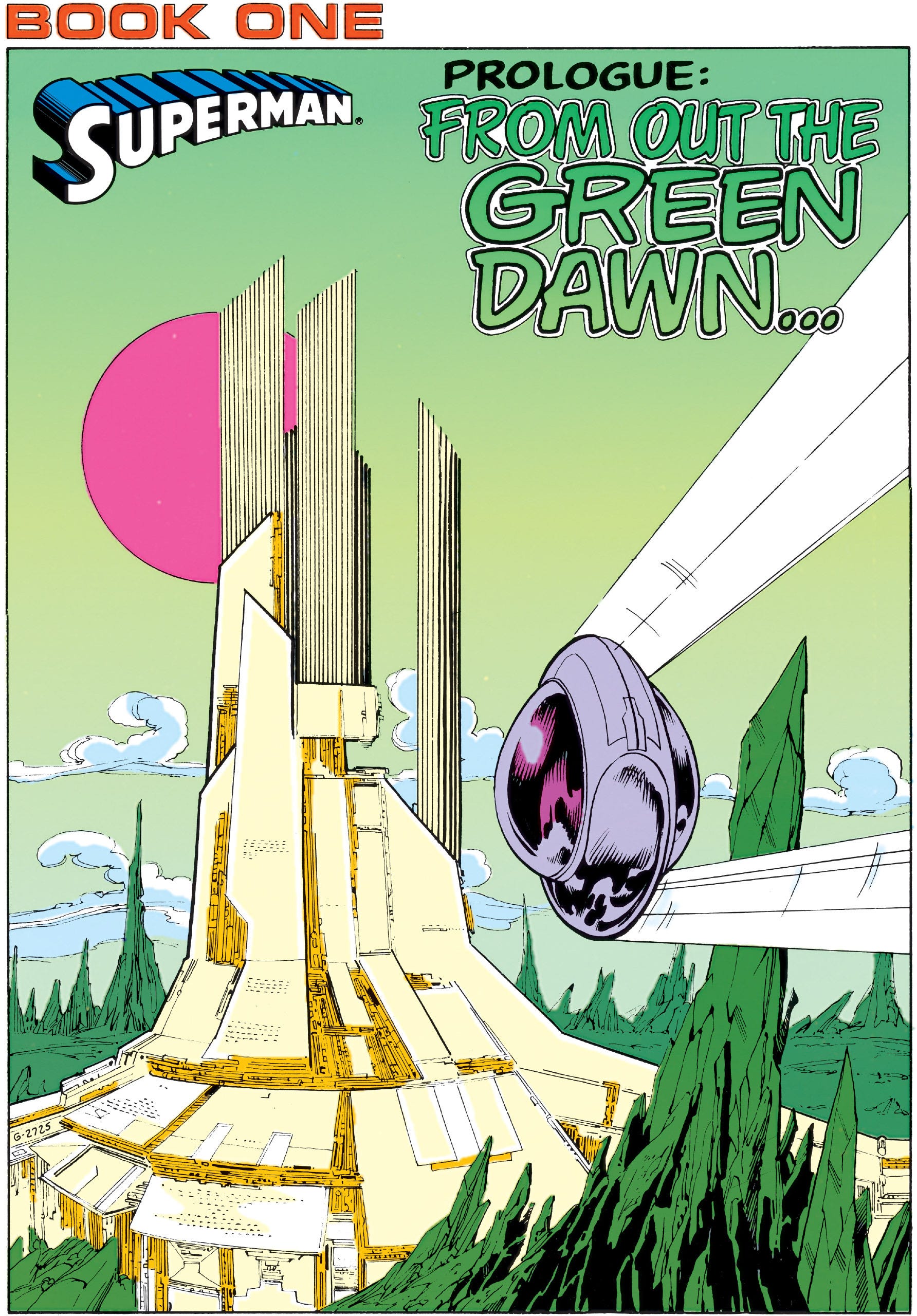
My problem isn’t with his art which is always gorgeous. For its first half century, Krypton had a thirties Buck Rogers look that became very dated, especially after Star Wars revolutionized the look of sci-fi.
Influenced by the crystalline Krypton of the 1978 Superman movie …
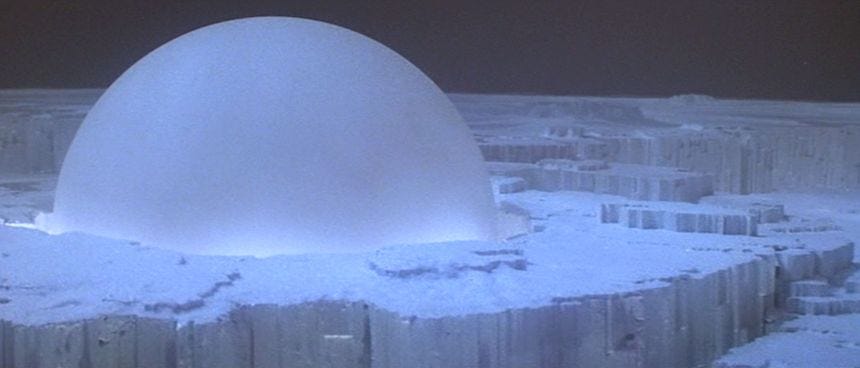
… Byrne redesigned Krypton for the eighties.
The trouble was that he completely threw away the vast lore about Krypton that had been slowly established over the decades - and had been celebrated in The Krypton Chronicles, whose second issue had gone on sale almost exactly five years before The Man of Steel #1.
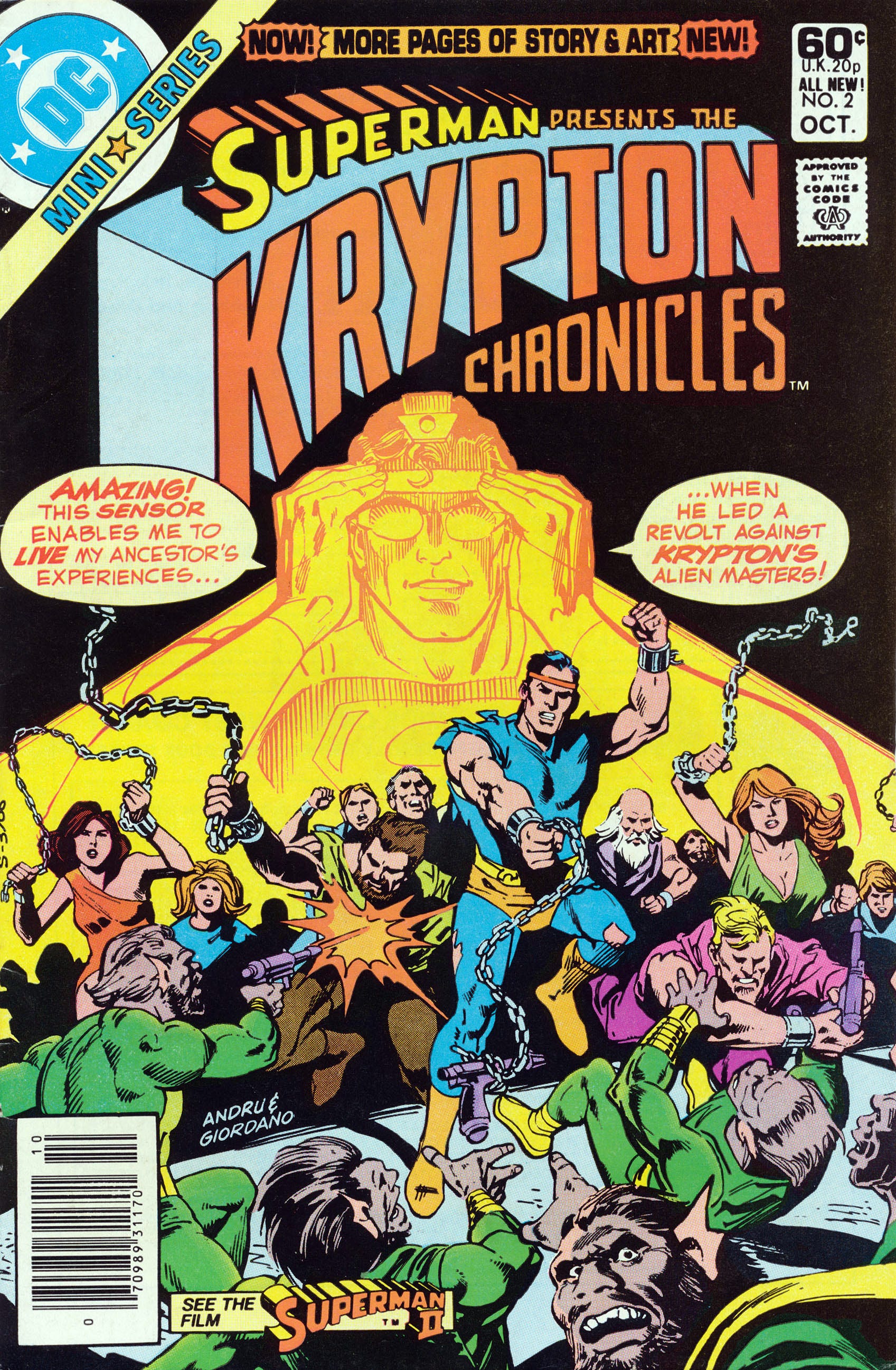
I love The Krypton Chronicles. I might write about it once its final issue turns forty-five next month.
Byrne would later write his own history of Krypton that would be interesting but far less appealing. As a critic whose name I’ve forgotten put it, Byrne created a dystopian Krypton that deserved to be blown up.
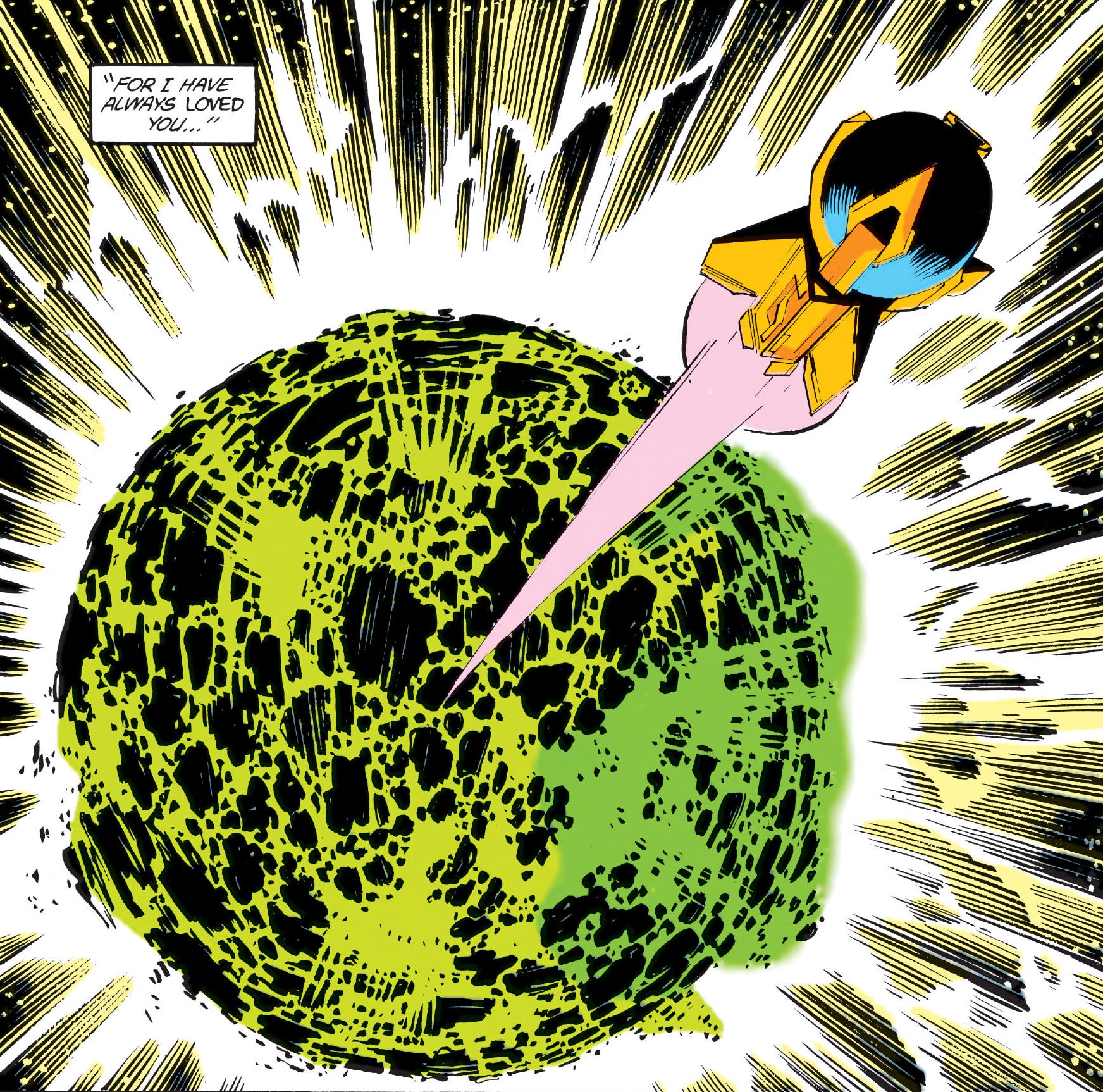
The Man of Steel gives the impression that Byrne at this point - a year before he penned his take on Kryptonian history - just wanted Krypton out of the way. His version of the planet was an explanation for Superman’s origins and nothing more - just as it had been when Siegel and Shuster’s strip first saw print in 1938.
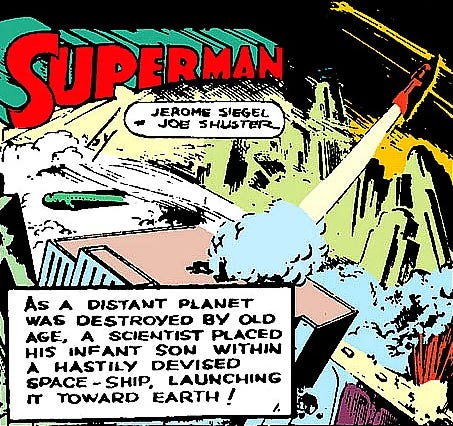
One could argue that in that respect and others, Byrne was trying to get back to basics. Byrne wrote in Superman #1 (renumbered for him!; January 1987),
When DC approached me to submit my proposal for a renovated Superman, the first thing I did was prepare what I called my list of "unreasonable demands". I marked down all the things I felt needed to be pared away, chipped off, and otherwise discarded. All the barnacles which had accumulated on the Legend. […] The things best left forgotten.
Half a century of concepts were just “barnacles” for Byrne to scrape off! Having invested a decade in everything Superman up to that point, I was unhappy that none of those “barnacles” mattered anymore. As far as DC was concerned, Byrne’s Superman was the one, the only - the ‘true’ Superman.
Which wasn’t exactly a restoration of the 1938 model. Byrne wasn’t just resetting the clock with eighties restyling. He did introduce innovations of his own.
For instance, no previous version of Superman’s alter ego Clark Kent had ever been a football star who could make “millions as a pro!”
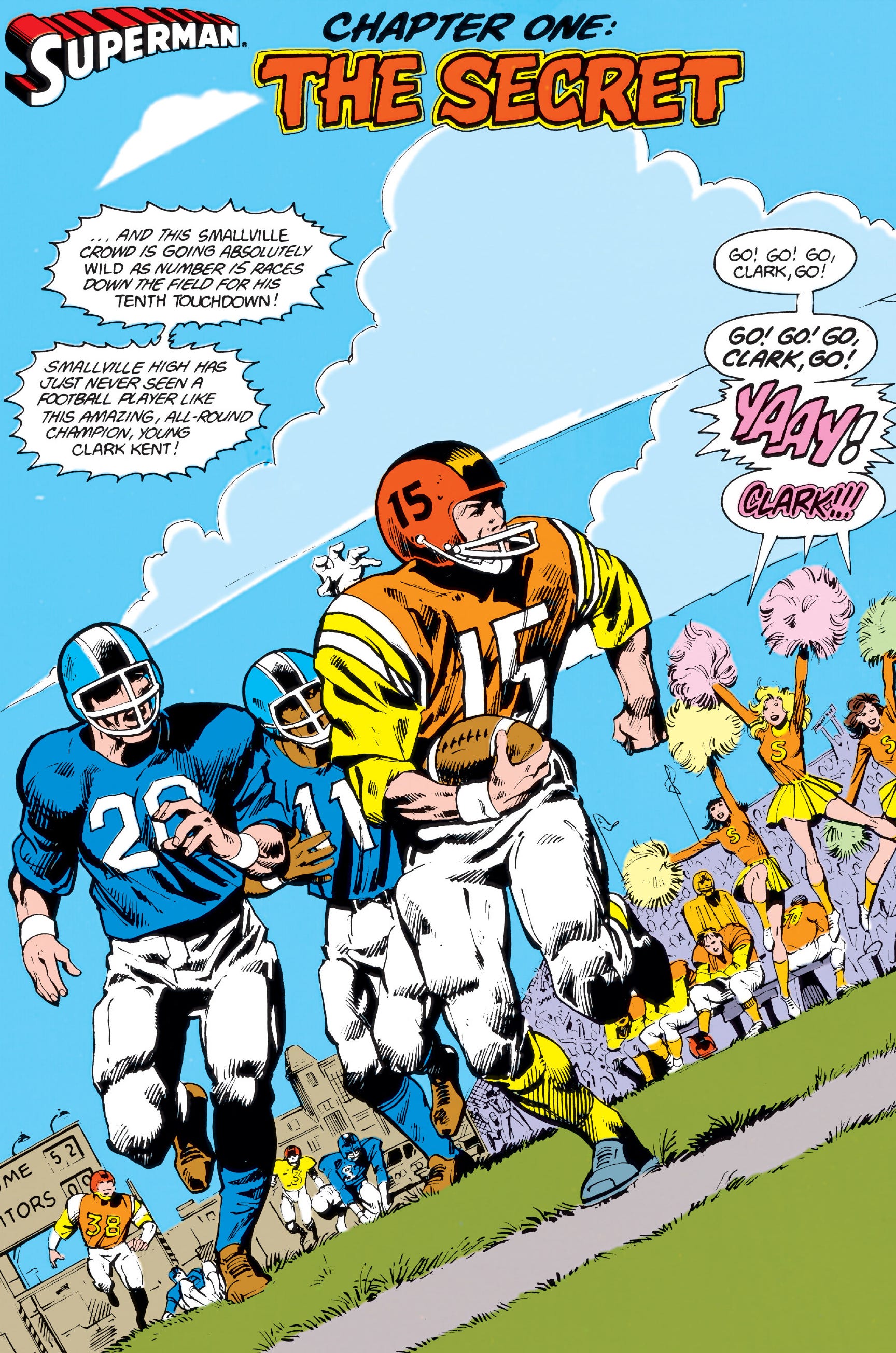
Clark Kent had always been unathletic with glasses.8 Like me.
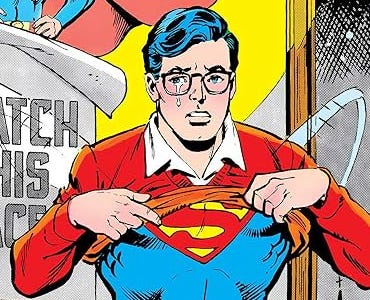
Until now. I couldn’t identify with Byrne’s Clark who never wore glasses and - much worse yet - abused his power as an athlete to win games. Which I now realize is a bit like how a teen-aged Spider-Man initially abused his power for fame on TV.
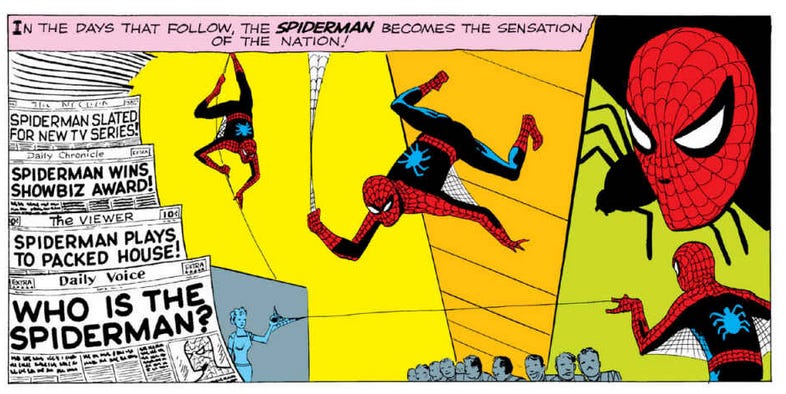
So this is an instance of Byrne ‘Marvelizing’ Superman.
Both Spider-Man and Clark gave up fame for a higher calling. Disgusted with what his adopted son had become, Jonathan Kent revealed to him that he was found in something resembling a “sputnik” that crash-landed in Kansas.9
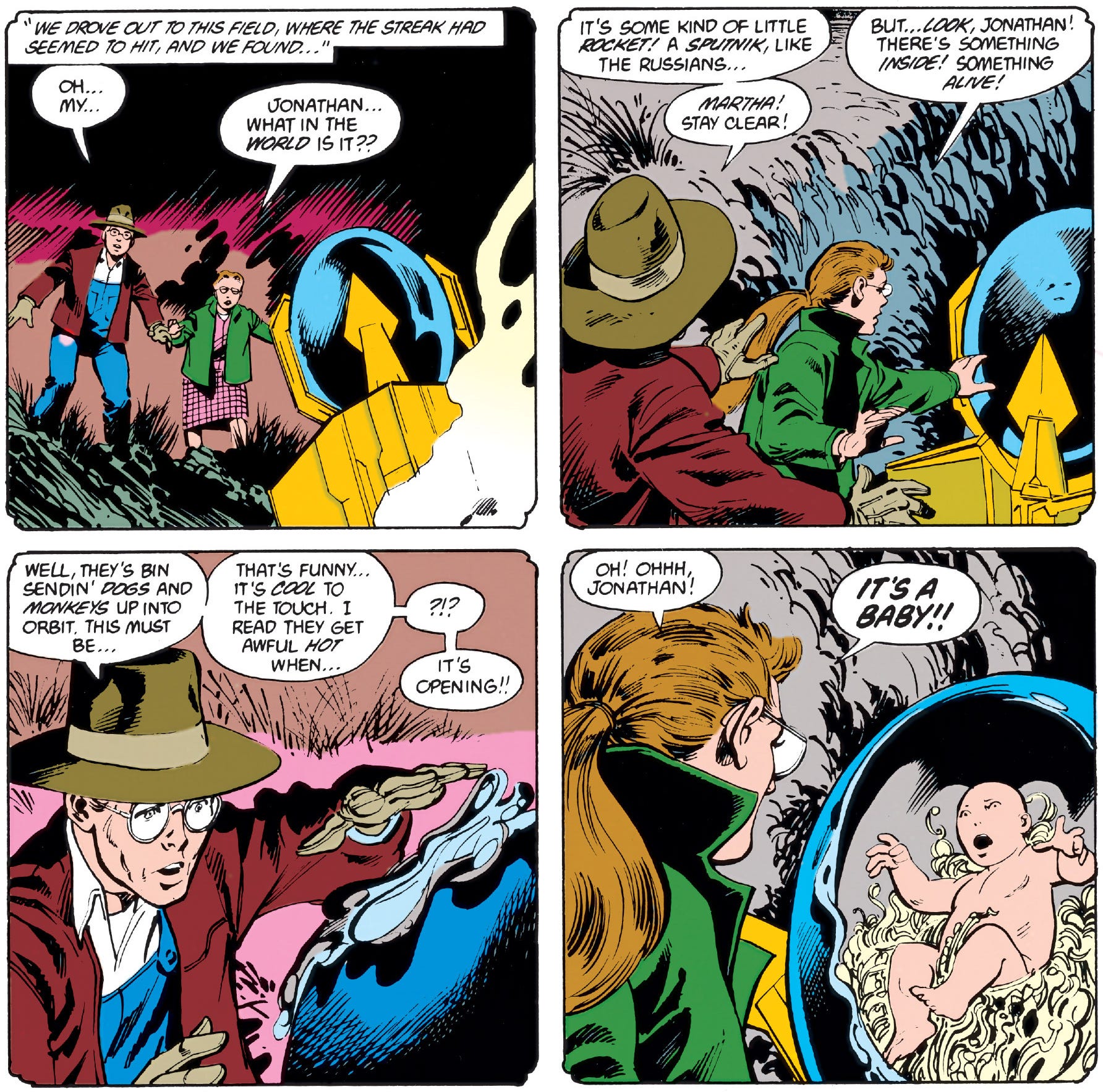
Having struggled to have children of their own, Jonathan and his wife Martha pretended that Clark was their biological son born while their house was isolated during a long snowstorm. The Kents had no idea where their son had come from. Russia? Mars? Whatever (wherever?). They raised him as an American, even as he slowly manifested powers that we know are of alien origin.
And they let him use those powers to be a big man on campus!?
Byrne has Clark say that his father told him,
I should never use my special abilities to make myself better than other people - to make other people feel useless. But that’s just what I’ve been doing. And ... it’s time to stop.
Why did his father - and mother - let him start? And continue for who knows how long?
No previous versions of the Kents would have allowed that. From 1945 to 1986, their son only used his powers for good in his youth as Superboy. But the new version of their son - a character I’ll call Byrne-El - El being Superman’s Kryptonian family name - was never Superboy.
He never used his powers for good until he was eighteen, when he finally gave up football for anonymously saving people from one disaster after another. Always unseen …
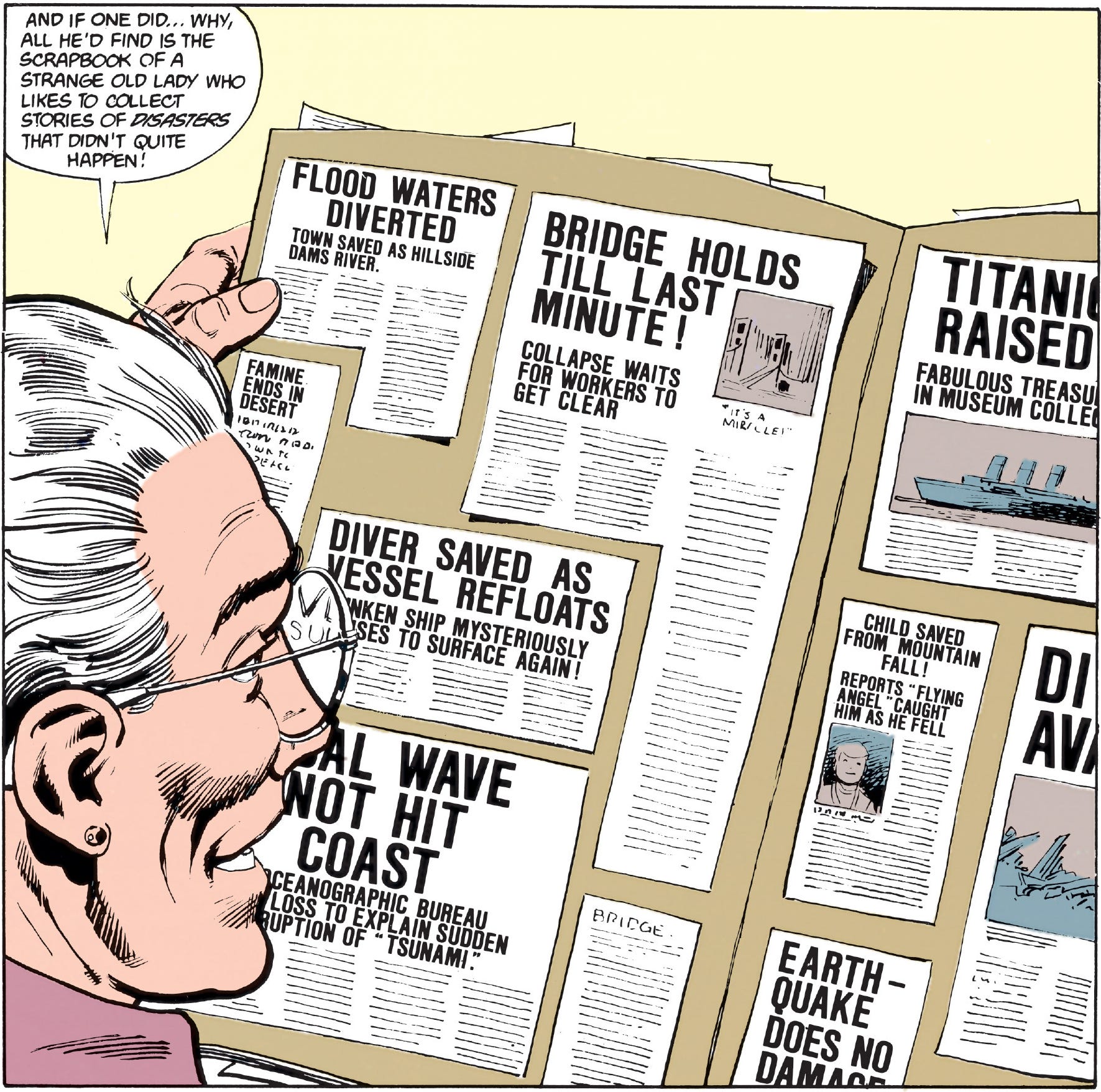
… until a space shuttle space-plane10 was about to crash.
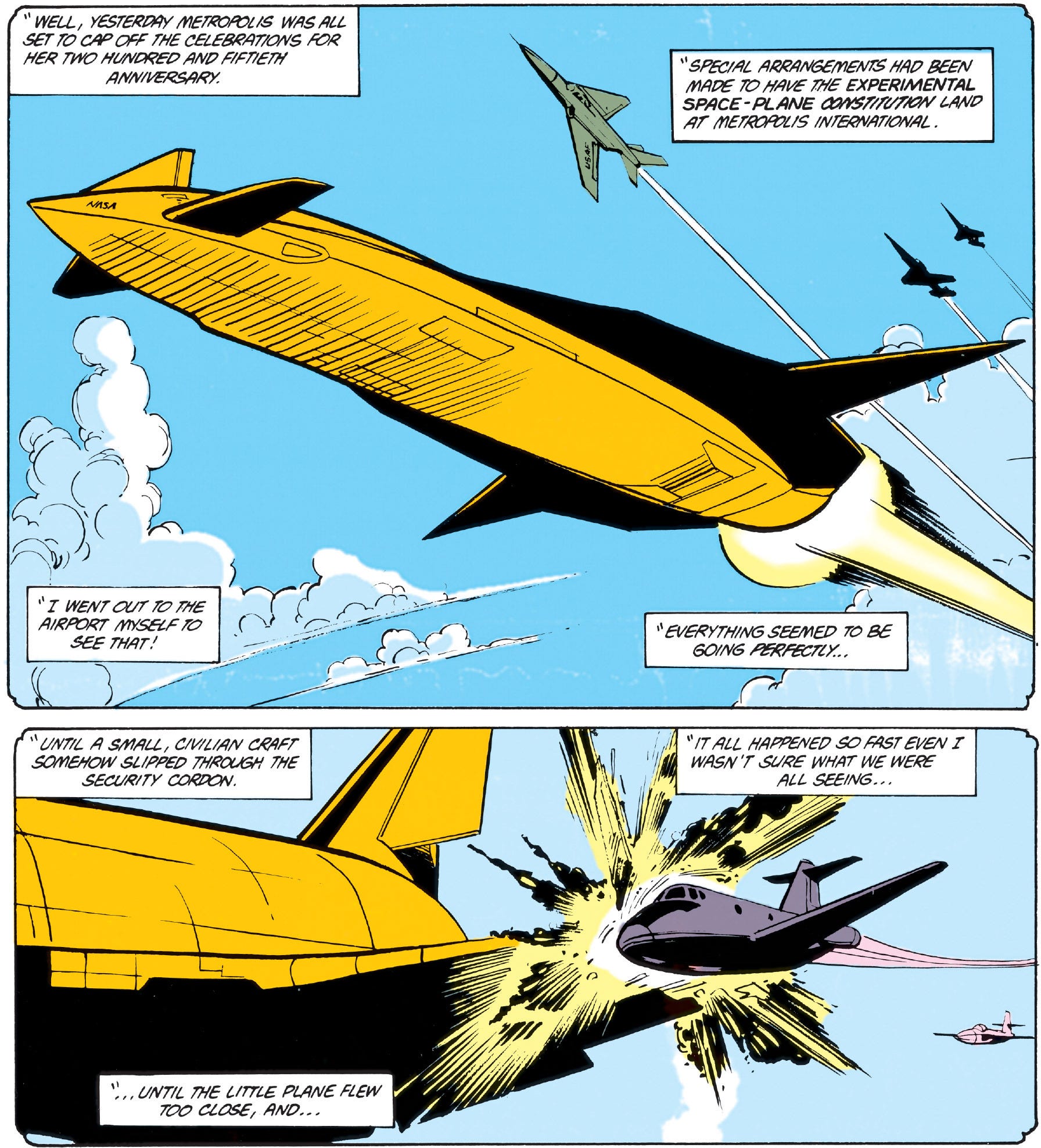
He had no choice but to be seen as he saved it.
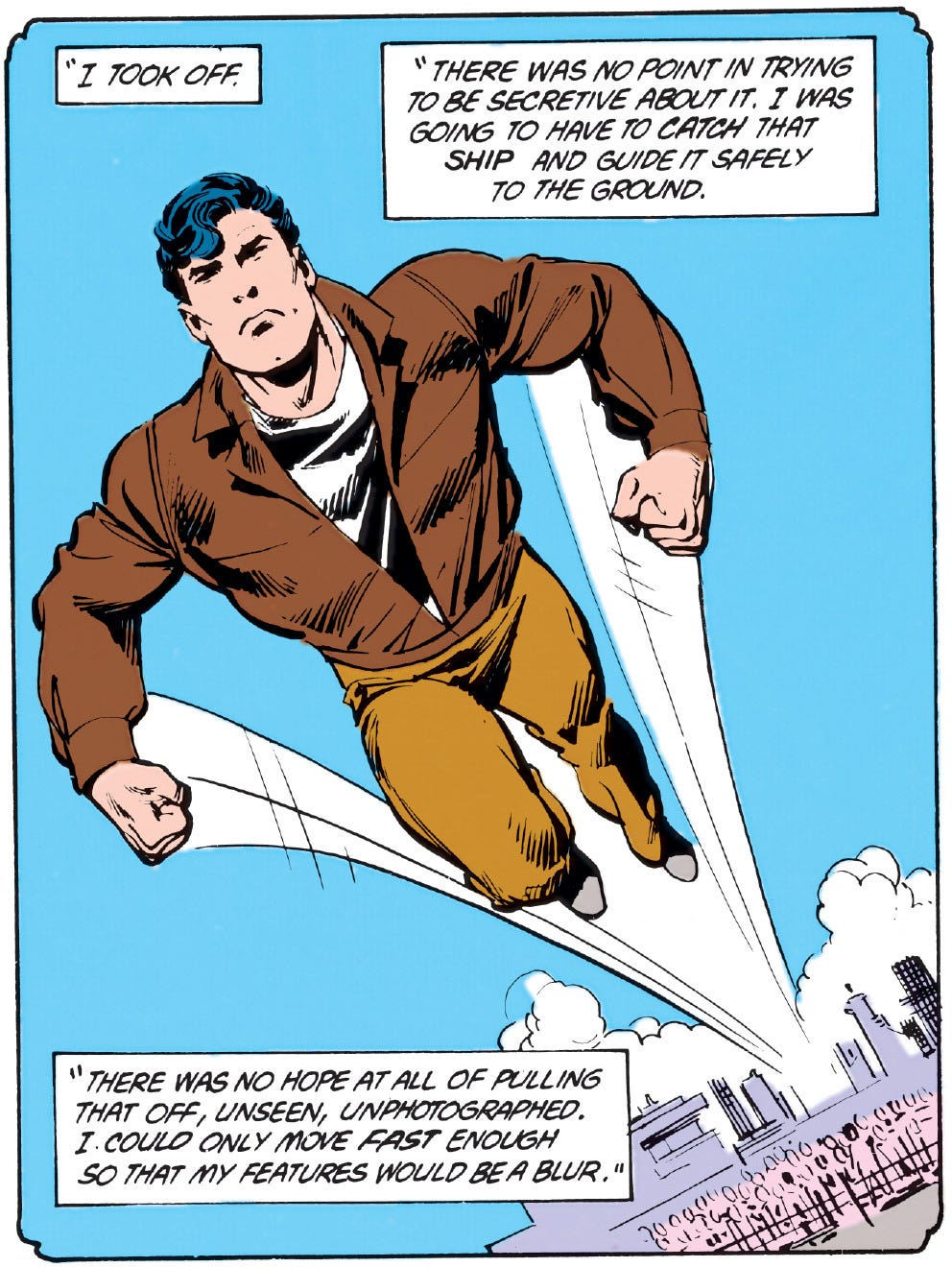
Seen … by reporter Lois Lane.
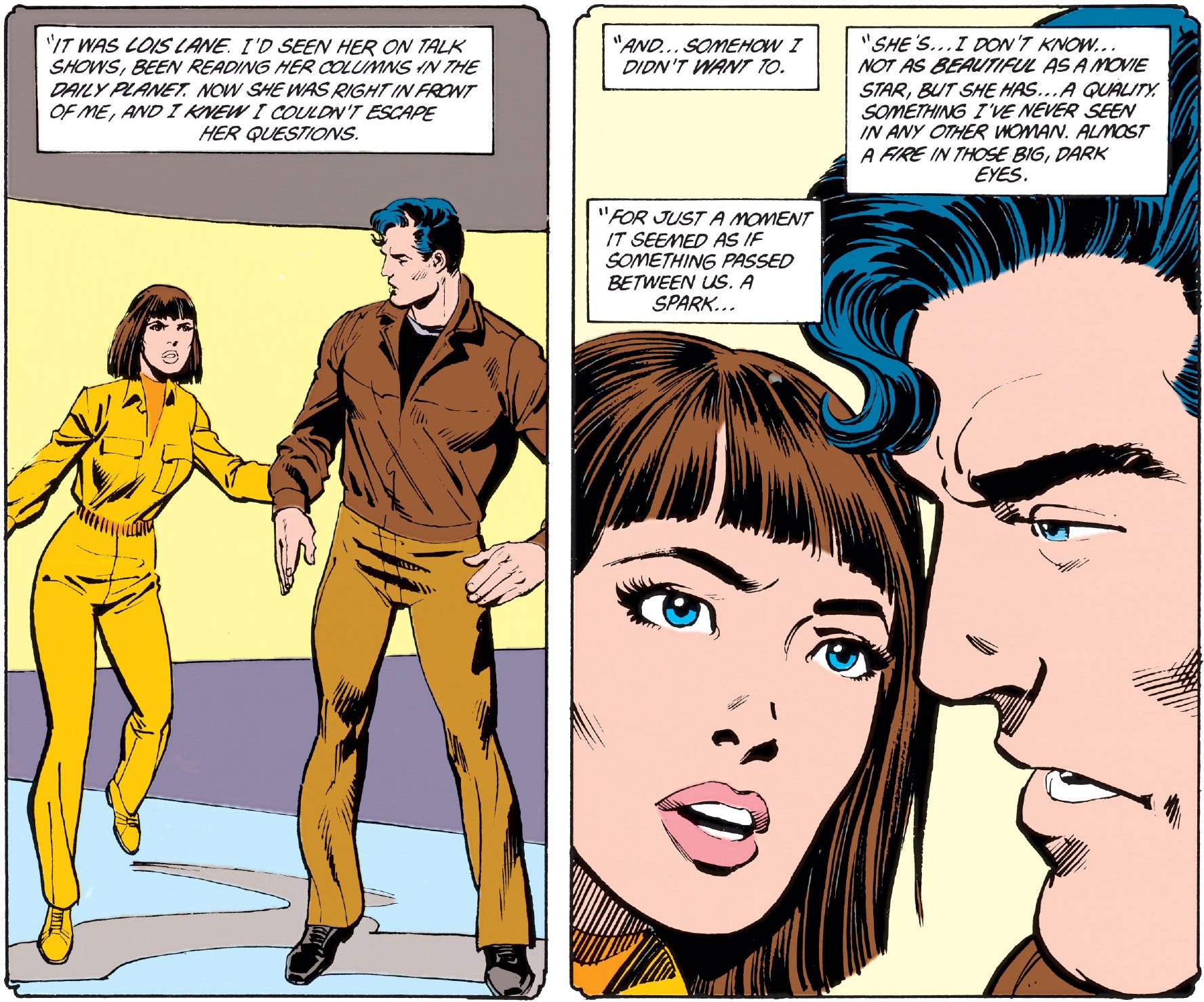
Whose hair, always black, was changed to brown by Byrne.11 He also made her blue eyes “dark” in his narration, though the colorist kept them blue.
Byrne-El and Lois were surrounded by a crowd … that he compared to … “maggots”!
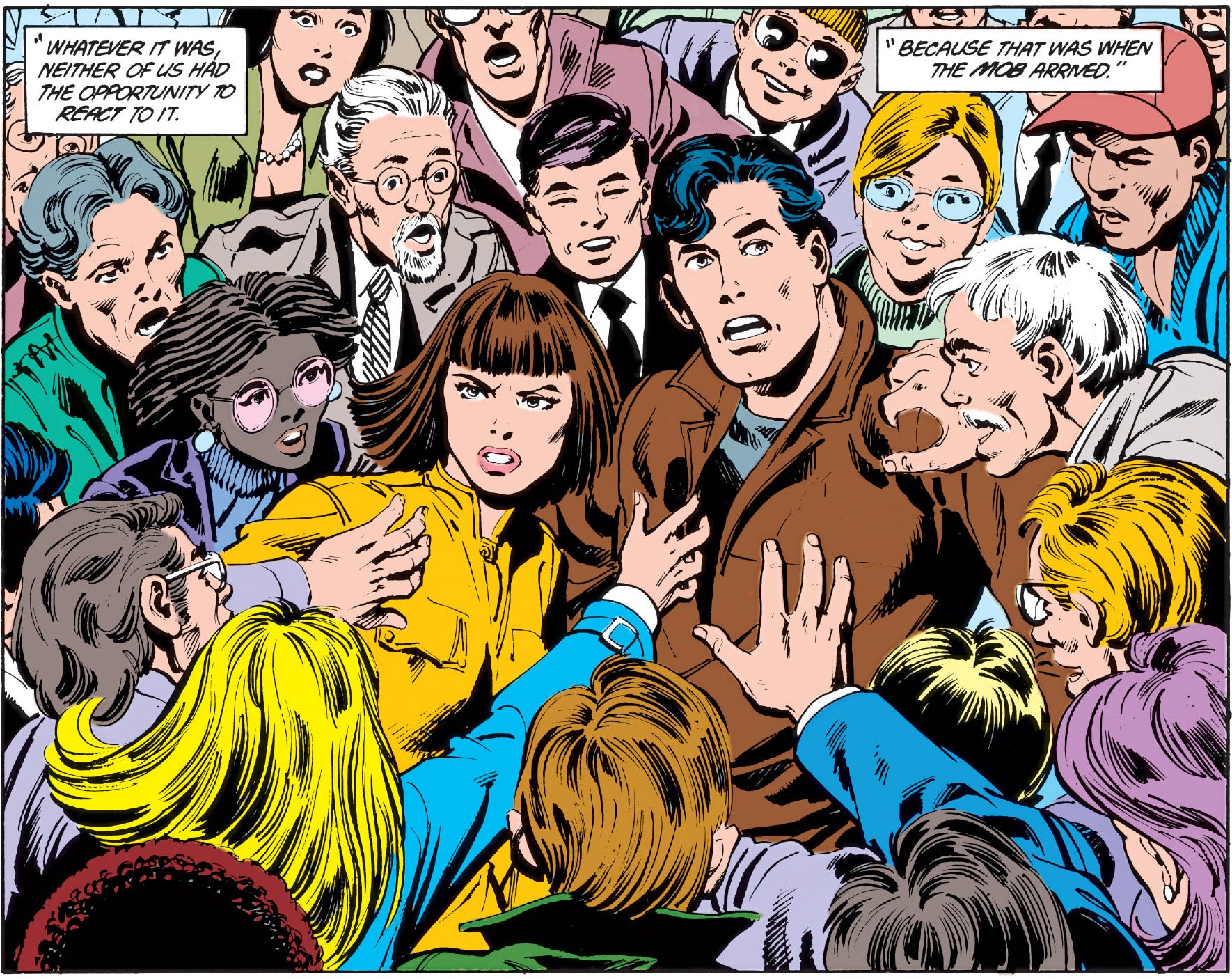
Wow, B-E was such a nice guy - just like his creator12.
And he was confused. He went (flew?) back to Ma and Pa Kent.
An option no previous Superman ever had - or needed. Until Byrne, Superman had always lost his adoptive parents at the onset of adulthood. The Earth-One and Earth-Two Supermen had lost not just Krypton but two sets of parents - Kryptonian and Terran. They had no one to turn to. They had to learn to be self-sufficient. And the Earth-One Superman had learned a harsh lesson: that not even he, with all his superpowers, could save his own parents from dying.
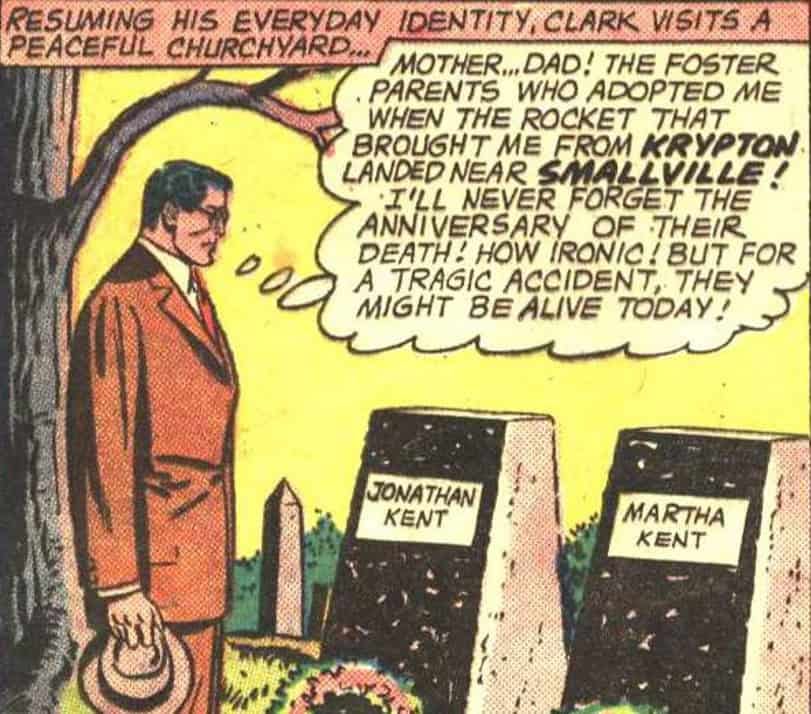
Death was more super than Superman.
That lesson was foreign to Byrne-El. His parents were not only alive but well and willing to give him guidance as an adult. Not that they should have told him to get lost and leave them alone, but their continued presence and assistance made Byrne-El look weaker than his predecessors.
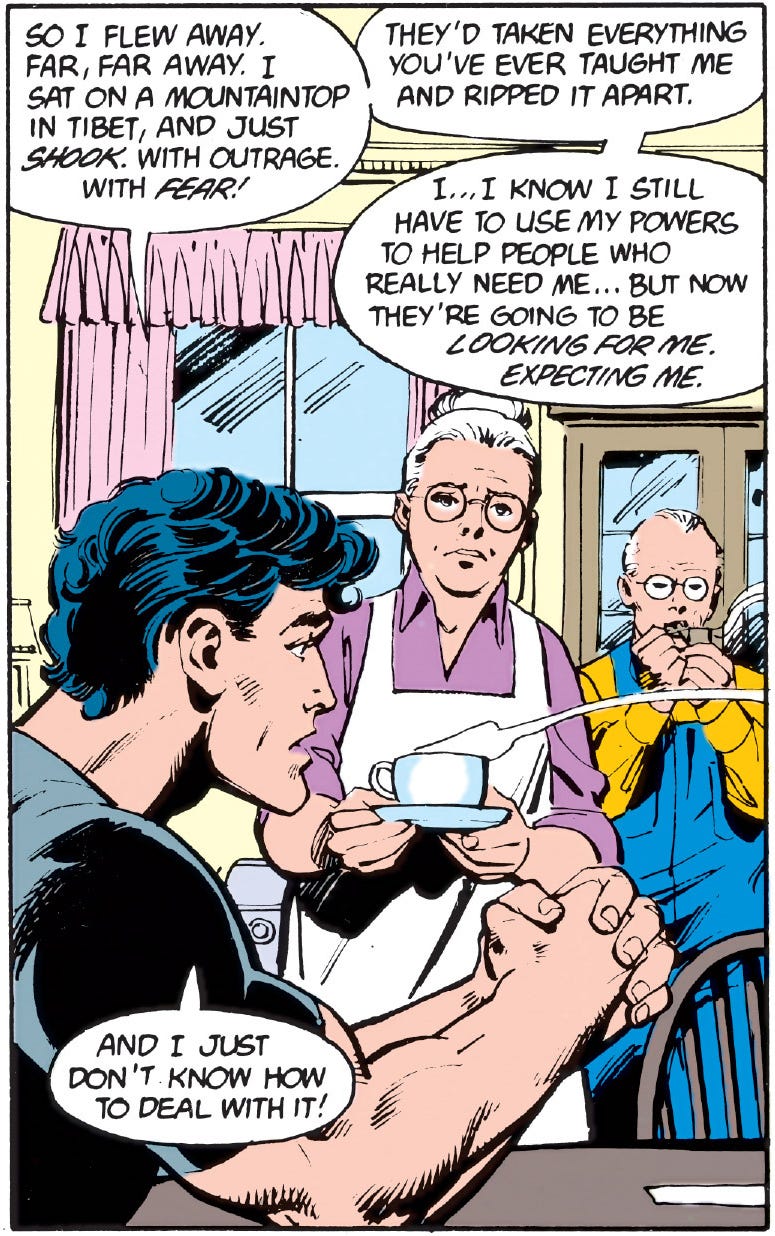
Pa Kent had a solution to the “maggot” problem: two new identities. Superman for the public (as a “maggot” magnet!?) and a new ‘Clark Kent’ with glasses to have a private life away from the press - a “fortress of solitude”13.
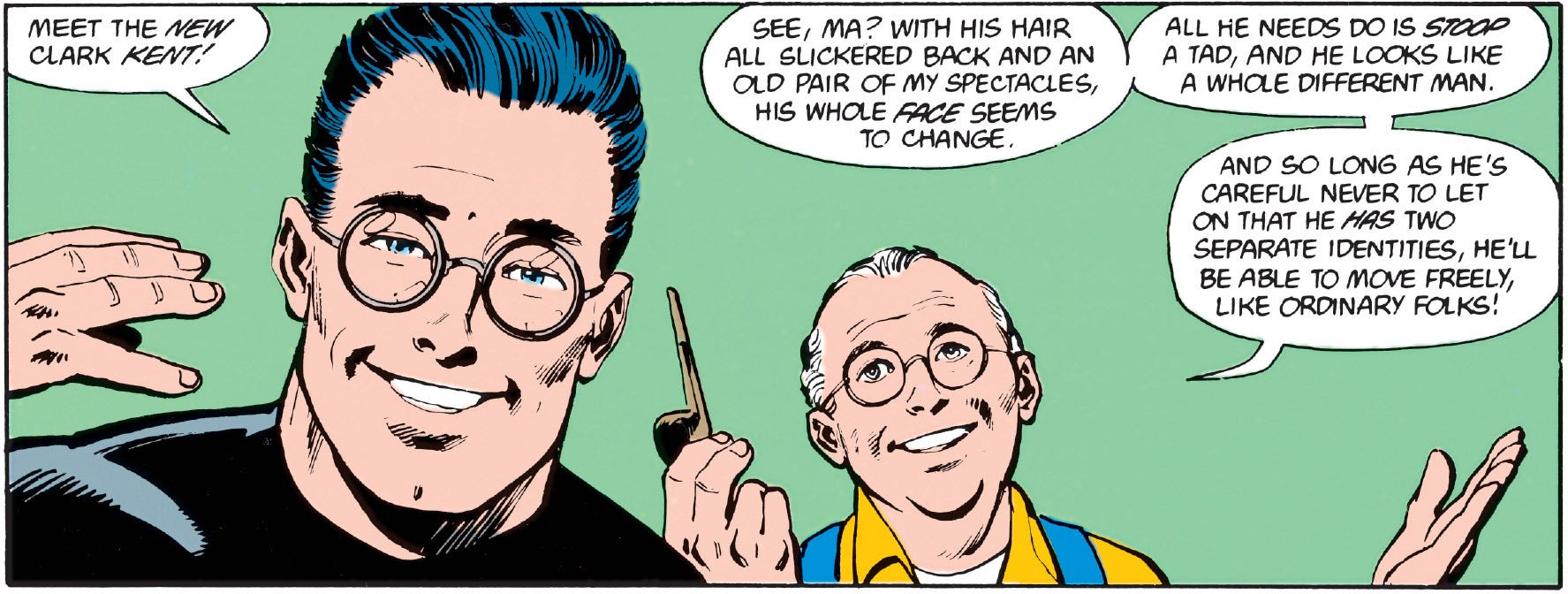
Ironically as a member of the press, but I’m getting ahead of myself. I’ll cover the new Clark in my next post on The Man of Steel.
I leave you with how Byrne-El left the Kent farm on the last page.
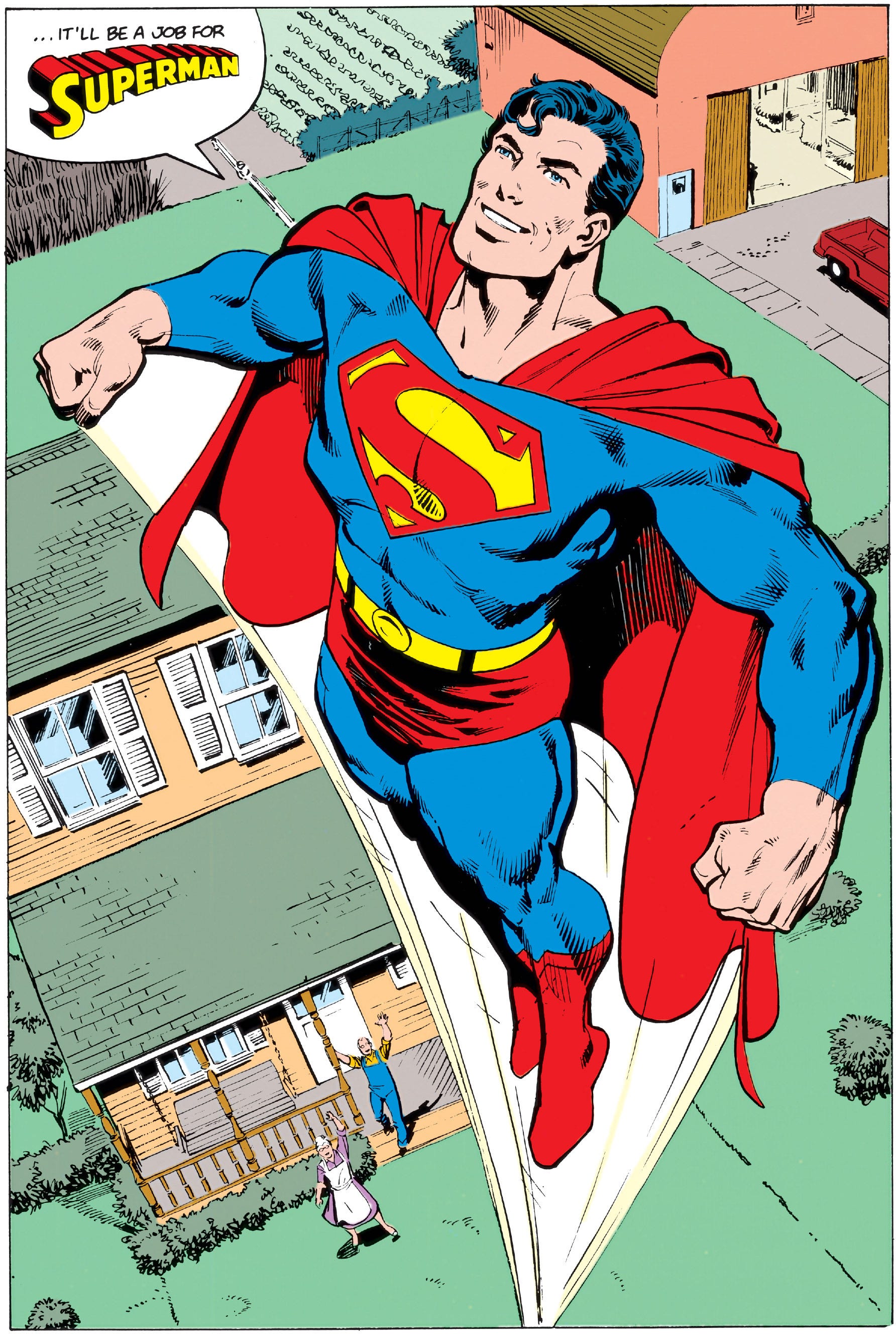
A perfect panel. Byrne nailed the look of Superman. But the man in the suit - behind the twin fishes14 - wasn’t someone I could empathize with anymore. That someone was no more.
The roots of the character - or at least his name - go back to “The Reign of the Super-Man”, written by Siegel and illustrated by Shuster for Siegel’s self-published magazine Science Fiction: The Advance Guard of Future Civilization in 1933. This first “Super-Man” seen by only a few readers bore no resemblance to the popular character. In fact, he is bald and evil like Superman’s nemesis Lex Luthor.
You may be wondering why Hughes’ first Superman “roughly” corresponds to the Superman of Earth-Two. Why wouldn’t the oldest Superman be on Earth-One with his successor on Earth-Two?
The concept of Earth-One and Earth-Two dates from The Flash #123 (September 1961) which teamed up the original Flash of the 1940s with the new Flash introduced in 1956. From that story onward, the then-current DC characters were on the default Earth (Earth-One) while older versions of them with obsolete characteristics were shunted off to a secondary Earth (Earth-Two).
That concept was not officially applied to Superman until Justice League of America #73 (August 1969) which introduced the Earth-Two Superman. In Hughes’ view, the Earth-Two Superman was a retroactive creation approximating the first Superman, rather than the first Superman himself.
Marvel did have a multiverse in 1986, but alternate universes were almost entirely confined to What If … ?, a title specifically designed for them, and had very little impact on the Marvel Universe.
DC’s evil Ultraman from 1964 predates the silver-skinned alien character that debuted on Japanese TV exactly twenty years before the topic of this post was published.
DC has an even older Ultra-Man with a hyphen, Gary Concord, from 1939.
Like the one which I consider to be the last Superman story. It was a farewell to the Earth-One Superman published the month before The Man of Steel.
In theory the stories of Hughes’ transitional second Superman could be assigned to either Earth-One or Earth-Two depending on how well they conform to the lore of the third and fourth Superman of the former or the first Superman of the latter. In practice, those stories were rarely referred to, so the problem of assignment hardly came up.
I am also a Byrne victim in the sense that Byrne burned me online. I used to regularly read his forum. When I asked him a question about a subtle reference in his art, he made it clear he thought I was a moron for not already knowing the answer. Uncalled for. Nonetheless, I can separate the man - who has a reputation for being nasty - from his work.
I am ignoring the occasional story in which Clark Kent temporarily broke his default mold.
Given that Sputnik 1 was launched in 1957 and that The Man of Steel was published in 1986, perhaps the last survivor of Krypton came to Earth in the late fifties. The pre-Byrne Earth-One Superman had been established as being perpetually twenty-nine years old. That age did not necessarily apply to Byrne’s Superman, but it may not be a coincidence that 1986 minus 29 equals 1957: the year of Sputnik.
The altered lettering leads me to think that Byrne originally drew a space shuttle and then changed it slightly after the Challenger disaster on January 28, 1986.
I recall Byrne saying that Lois had brown hair in early Superman comics, but I have never seen her anywhere with brown hair prior to Byrne’s reboot.
Byrne has a reputation for disrespecting his fans. I experienced that disrespect first hand (see footnote 7). Here’s a Byrne anecdote I just heard.
Maybe Byrne sees us fans as “maggots”.
The Fortress of Solitude (with capitalization) was one of the “barnacles” Byrne threw away. Byrne didn’t think Superman needed an exotic physical location to be alone.
In his foreword to the Man of Steel trade paperback, Byrne confessed that as a child he perceived Superman’s symbol to contain two fish swimming in opposite directions before he realized it was a stylized S. Even as an adult, he thinks of drawing two fish when he draws the symbol.
I never understood why he was so muscular. I get it from a "super-hero aesthetic" perspective. But what made him develop such a large musculature? Is that a Kryptonian thing? Seems like he'd have a mostly normal-ish physique since whatever muscles with which he was born would more than suffice.